

CAG Audit Uncovers Critical Failures in Maharashtra Pollution Control Board
The Comptroller and Auditor General of India (CAG) has flagged serious deficiencies in the functioning of the Maharashtra Pollution Control Board (MPCB), highlighting that many industries are operating without mandatory consents. This situation weakens compliance with environmental regulations and undermines efforts to prevent pollution across the state.
Shortage of Manpower Severely Constrains Monitoring
The CAG report, tabled before the Maharashtra legislative assembly, states that the board's monitoring capabilities are severely constrained due to a critical shortage of manpower. This has resulted in significantly fewer inspections than scheduled, hampering effective oversight of industrial activities.
Despite having the authority to order plant closures for rule violations, the MPCB was found wanting in enforcement. The audit, covering the period from 2017-18 to 2021-22, revealed that numerous industries were functioning without obtaining the necessary consent to establish and operate, as required by law.

Widespread Non-Compliance and Pollution Incidents
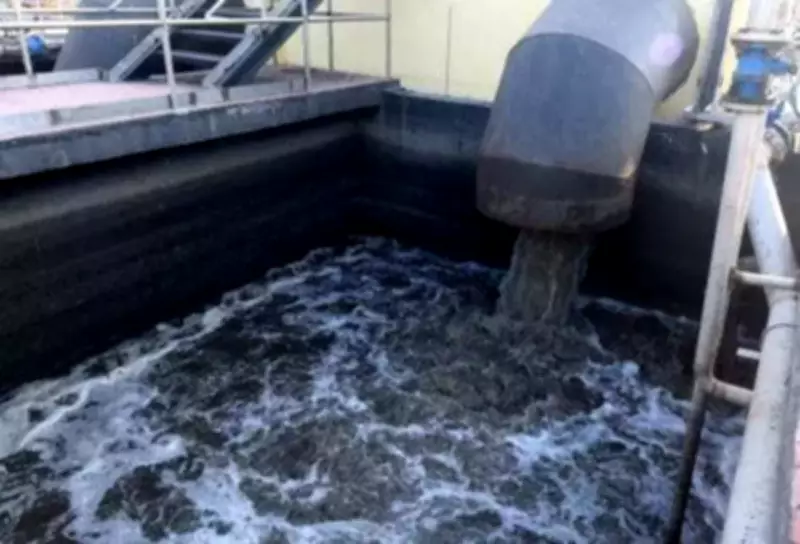
During joint physical verifications, auditors observed multiple instances of non-compliance with prescribed consent conditions. These included the discharge of polluted effluents and untreated sewage into water bodies, non-functional effluent treatment plants, and failures to install online continuous emission monitoring systems.
The report emphasizes that these lapses point to significant weaknesses in the board's enforcement and monitoring mechanisms, putting the environment and public health at risk.
Alarming Shortfalls in Industrial Inspections
The audit noted a substantial shortfall in the number of visits actually carried out to industries compared to scheduled inspections. From 2017-18 to 2022-23, there was a shortfall ranging from 53.5% to 68.35% in general industrial visits.
For highly polluting industries such as sugar, paper, and pharmaceutical sectors, the shortfall was even more severe, ranging from 58% to 84%. Cases of non-compliance to consent conditions and failure to meet specific parameter standards were frequently observed in these sectors.
Long-Term Violations Without Action
Test results from 14 industries showed that discharged effluents exceeded prescribed standards for periods ranging from five to 37 months. Despite these prolonged violations, the Regional Offices (ROs) of the MPCB did not initiate any action against these defaulting industries, indicating a systemic failure in enforcement.
CAG Recommendations for Strengthening MPCB
The CAG has made several key recommendations to address these critical issues:
- The MPCB should proactively coordinate with other government departments to ensure all operational industries are brought under the consent regime.
- The government must review the existing manpower structure and take timely action to fill all sanctioned posts at various levels to strengthen the board's field presence.
- The MPCB must ensure strict enforcement of consent conditions through regular and effective monitoring, with particular focus on industries identified as high polluters.
These measures are essential to enhance the board's capacity to prevent water pollution and enforce environmental regulations effectively in Maharashtra.






