

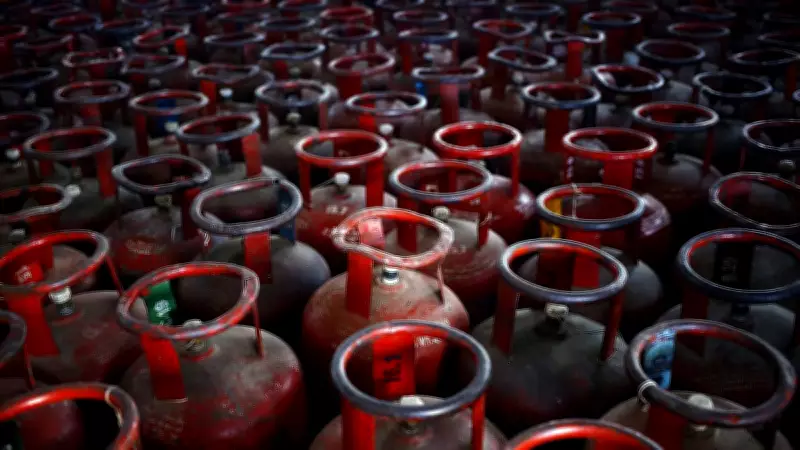
Government Enforces Biometric Authentication for Domestic LPG Users
In a significant move to tackle ongoing supply shortages, the Indian government has announced that biometric authentication is now mandatory for all domestic LPG consumers. This directive, issued by the Ministry of Petroleum and Natural Gas, requires every household using liquefied petroleum gas to complete Biometric Aadhaar Authentication, commonly known as e-KYC.
Addressing Supply Chain Challenges
The decision comes amid reports of persistent supply shortages affecting LPG distribution across the country. By implementing biometric verification, authorities aim to streamline the distribution process, eliminate duplicate or fraudulent connections, and ensure that subsidized cylinders reach genuine beneficiaries. This measure is expected to enhance transparency and efficiency in the LPG supply chain, which has been under strain due to increased demand and logistical issues.
How to Complete the Authentication Process
Consumers have multiple convenient options to fulfill this new requirement:

- Mobile App Verification: Users can verify their identity from home using their Oil Marketing Company's official mobile application in conjunction with the Aadhaar FaceRD app.
- Online Portal: The ministry's official website provides detailed instructions and resources for completing the biometric authentication process.
- Distributor Assistance: Consumers are encouraged to contact their local LPG distributor for direct support and guidance on meeting the new mandate.
The Ministry of Petroleum and Natural Gas emphasized that this step is crucial for safeguarding the integrity of the LPG distribution system and ensuring equitable access to resources. Officials have assured that the authentication process is designed to be user-friendly and secure, leveraging Aadhaar's biometric data to prevent misuse.
Implementation and Consumer Response
With the announcement made on March 15, 2026, and widely circulated through official social media channels, the government has set a clear timeline for compliance. Consumers are advised to act promptly to avoid any disruption in their LPG supply. The move has sparked discussions among stakeholders, with many praising the effort to modernize the system, though some have raised concerns about accessibility for elderly or technologically challenged users.
This policy shift reflects a broader trend toward digital governance and enhanced security measures in public service delivery. As India continues to navigate energy challenges, such initiatives are pivotal in balancing supply and demand while protecting consumer interests.






