Bike Taxis Return to Karnataka Roads Amid Regulatory Vacuum
The recent decision by the Karnataka High Court has paved the way for bike taxis to resume operations across the state, marking a significant development in urban transportation. However, this revival has been accompanied by a concerning lack of regulatory framework, leaving commuters in a precarious position. The policy paralysis that has plagued this sector has created a vacuum where essential safety protocols remain unaddressed, forcing thousands of daily users to avail these services without adequate protection measures in place.
Court Decision Opens Doors for Bike Taxi Services
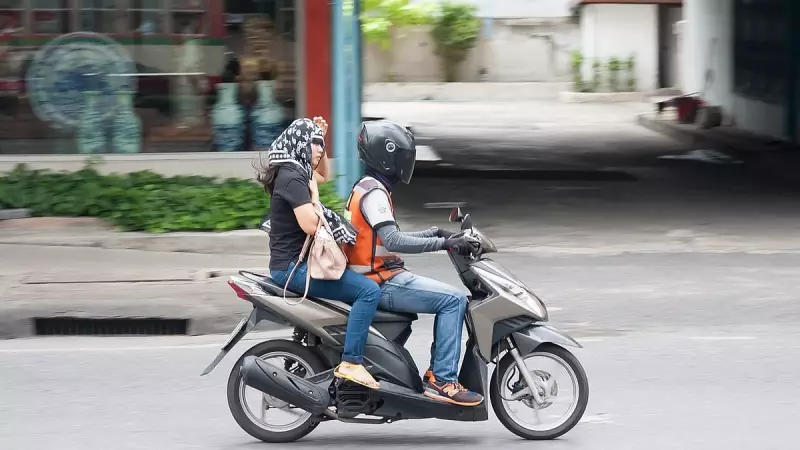
Following the Karnataka High Court's intervention, bike taxi services have returned to the roads after a period of uncertainty. This judicial move has been welcomed by both service providers and commuters who rely on these affordable transportation options for their daily mobility needs. The court's decision highlights the growing importance of bike taxis in addressing last-mile connectivity challenges in congested urban areas, particularly in cities like Bengaluru where traffic congestion remains a persistent problem.
Safety Concerns Mount Amid Regulatory Gaps
Despite the operational green light, the absence of comprehensive regulations has raised serious safety concerns among transportation experts and consumer advocates. Commuters are currently accessing bike taxi services without standardized safety protocols, including proper insurance coverage for both riders and passengers, mandatory safety gear requirements, and clear guidelines for vehicle maintenance and rider training. This regulatory vacuum creates potential risks that could compromise passenger security and overall road safety standards.

Policy Paralysis Creates Operational Challenges
The regulatory uncertainty stems from what experts describe as policy paralysis within the state's transportation administration. Key issues that remain unresolved include:
- Clear classification of bike taxis within existing transportation frameworks
- Standardized fare structures and pricing regulations
- Mandatory safety equipment requirements for both riders and passengers
- Insurance coverage specifications for commercial two-wheeler operations
- Rider background verification and training protocols
This lack of direction has created confusion among service providers who must navigate an ambiguous regulatory landscape while trying to maintain service quality and safety standards.
Impact on Commuters and Urban Mobility
For daily commuters, bike taxis represent an affordable and efficient transportation alternative, particularly for short-distance travel in congested urban environments. The return of these services addresses genuine mobility needs, but the regulatory gaps mean passengers must accept services without the assurance of standardized safety measures. This situation places the burden of risk assessment on individual commuters rather than having it addressed through comprehensive regulatory oversight.
The need for balanced regulation that ensures both accessibility and safety has never been more apparent.Path Forward for Sustainable Regulation
Transportation experts suggest several measures that could help bridge the current regulatory gap:
- Immediate development of comprehensive bike taxi regulations with clear safety standards
- Collaboration between transportation authorities and service providers to establish best practices
- Implementation of mandatory safety gear requirements for all bike taxi operations
- Creation of standardized insurance frameworks specifically designed for commercial two-wheeler services
- Regular safety audits and compliance monitoring mechanisms
As bike taxis continue to gain popularity as a practical transportation solution, the urgency for clear, enforceable regulations grows correspondingly. The current situation presents both challenges and opportunities for developing innovative urban transportation policies that balance accessibility, affordability, and safety in India's rapidly evolving mobility landscape.