

Bhopal's E-Rickshaw Chaos: Ban Exists Only on Paper as Rules Flouted Amid Regulatory Vacuum
In Bhopal, a ban and restrictions on e-rickshaws imposed last year have become a mere paper tiger, with thousands of these electric vehicles openly defying orders and traffic regulations on the city's congested roads. The lack of effective enforcement has turned what was meant to be a regulated system into a scene of daily chaos, frustrating commuters and undermining public safety.
Designated Routes Ignored with Impunity
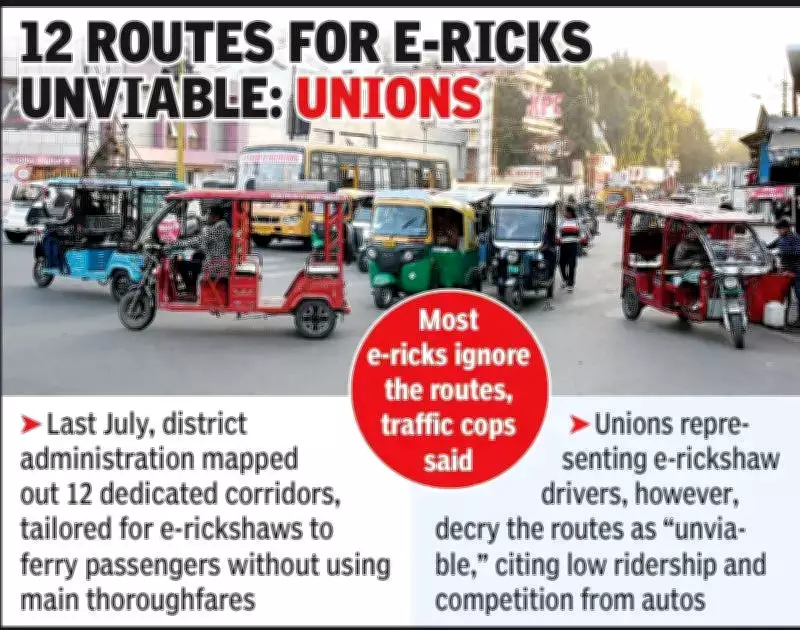
Last July, the district administration issued a firm notification mapping out 12 exclusive routes for e-rickshaws, aimed at streamlining passenger transport without clogging main thoroughfares. These corridors spanned key areas such as Bittan Market, Lily Square, and DB City. However, this order lies in tatters today, flouted with impunity by drivers who operate freely elsewhere.
Field observations reveal rampant violations on forbidden stretches like VIP Road, Hoshangabad Road, and even the sensitive airport corridor. A traffic constable, speaking anonymously, estimates that "ninety percent ignore the routes," highlighting the scale of non-compliance.

Traffic Chaos and Safety Hazards Escalate
The chaos is palpable across Bhopal's bustling arteries. E-rickshaw drivers weave recklessly through congested lanes, screech to unscheduled stops in no-parking zones, and block intersections, leaving motorists, two-wheeler riders, and pedestrians fuming. Atul Agnihotri, a daily commuter from Arera Colony, complains, "These e-rickshaws stop anywhere—middle of the road, bus stops, even footpaths—forcing everyone to swerve dangerously."
Similar frustrations echo from MP Nagar, a commercial hub where e-rickshaws clog prime spots, exacerbating gridlock during peak hours. Rashmi Patel, a college student, recounts a near-miss incident last week when an e-rickshaw braked suddenly in front of Rangmahal talkies, sparking a multi-vehicle pile-up that endangered lives.
Enforcement Crumbles Amid Growing Fleet
Bhopal now hosts over 15,000 registered e-rickshaws, a dramatic increase from a few thousand years ago, fueled by cheap operations and government subsidies for green transport. Yet, enforcement has crumbled in the face of this expansion. Fines are almost nil against thousands of violations, hampered by understaffed squads and drivers' quick escapes into narrow alleys.
City officials have promised a crackdown, but unions representing e-rickshaw drivers decry the designated routes as "unviable," citing low ridership and stiff competition from auto-rickshaws. This economic pressure drives many to flout rules, creating a vicious cycle of non-compliance.
Environmental Gains Overshadowed by Disorder
While these battery-powered cabs were hailed for slashing emissions by an estimated 20% in inner-city zones, their environmental benefits now ring hollow amid the prevailing disorder. The regulatory vacuum not only compromises traffic flow but also tarnishes the potential of e-rickshaws as a sustainable urban mobility solution.
As Bhopal grapples with this impasse, the need for robust monitoring and viable alternatives becomes urgent to restore order and ensure that green initiatives do not come at the cost of public safety and convenience.






