

Bengaluru's Mega Sweeping Initiative: 46 Machines for a Decade
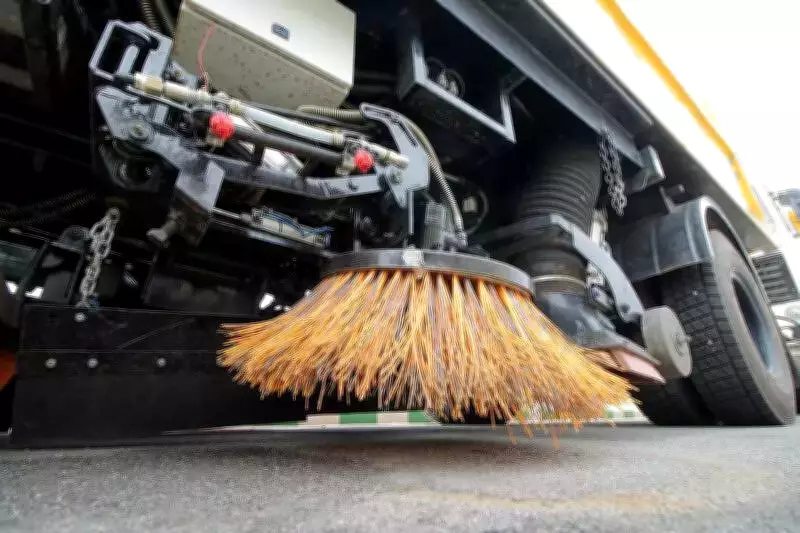
In a significant move to tackle the city's persistent dust and silt problem, the five city corporations of Bengaluru are preparing to call for tenders to rent 46 mechanical sweeping machines. This initiative falls under the Greater Bengaluru Authority's (GBA) sweeping program, which is estimated to cost around Rs 613 crore over an extended rental period of 10 years.
GBA Directive and Tender Process
The decision follows specific orders issued by the GBA to the five civic bodies, detailing specifications for renting the machines and providing pricing clarifications. According to the directive, RITES Ltd has conducted a comprehensive feasibility study and prepared cost estimates for the sweeping machines. Corporation commissioners have been instructed to review this study, secure government approval, and proceed with the tendering process.
Notably, the rental period has been increased from the initially proposed seven years to 10 years, resulting in a collective rental of 46 machines for a decade at an estimated cost of approximately Rs 610 crore.

Current Situation and Citizen Efforts
At present, no mechanical sweeping machines are operational in Bengaluru, leading to roads clogged with silt, dry leaves, and debris. This situation significantly contributes to dust pollution across the city. The previous sweeping contract concluded in early 2025 and was extended briefly, but only a limited number of machines were deployed.
Highlighting the severity of the issue, tech professionals from the East zone recently organized citizen-led silt removal drives in their neighborhoods. In just two such drives on road stretches of less than 100 meters, they collected two tractor loads of silt, underscoring the urgent need for effective sweeping solutions.
RITES Study and Efficiency Improvements
The overall cost is projected to exceed Rs 600 crore over a decade, but officials have justified this expenditure based on the RITES study, which forecasts higher efficiency and tighter monitoring. The study recommends self-propelled sweepers capable of cleaning up to 10 kilometers per shift, compared to the previous benchmark of 7 kilometers, while maintaining similar fuel consumption levels.
Additionally, the study factors in a higher salvage value of 30% after seven years and limits annual operation and maintenance costs to approximately 5%.
Addressing Past Concerns with Technology
To mitigate issues related to the poor utilization of earlier sweeping equipment, the RITES study proposes mandatory GPS and camera installations on all mechanical sweepers. These devices will enable real-time monitoring through a centrally-controlled management system (CCMS), ensuring better accountability and performance tracking.
Maheshwar Rao, chief commissioner of GBA, emphasized the priority of removing dust and silt from roads to protect citizens' health. He stated, "We want to procure sweeping machines at the earliest. We have shared the study report which the government asked us to provide, and the corporation commissioners can now study it and begin the tendering process. There is no rule requiring them to strictly follow the model or pricing suggested in the study. They are free to make any changes they deem necessary."
Allocation Across Zones
The allocation of the 46 machines across the five corporations is based on factors such as the length of arterial roads and traffic density in each zone. The distribution and estimated costs over 10 years are as follows:

- East Zone: 11 machines - Rs 146.6 crore
- West Zone: 10 machines - Rs 133.3 crore
- North Zone: 10 machines - Rs 133.3 crore
- Central Zone: 7 machines - Rs 93.3 crore
- South Zone: 8 machines - Rs 106.6 crore
This sweeping initiative represents a major step forward in Bengaluru's efforts to improve urban cleanliness and reduce environmental pollution, with a focus on technological integration and long-term sustainability.





