For over two decades, a network of pedestrian subways beneath Bengaluru's bustling roads has languished in a state of dangerous neglect. Intended as safe passages, these structures have instead become perilous zones, forcing citizens to risk their lives by crossing heavy traffic above. This systemic failure of urban infrastructure highlights a profound disregard for pedestrian safety in India's tech capital.
A Legacy of Neglect and Immediate Dangers
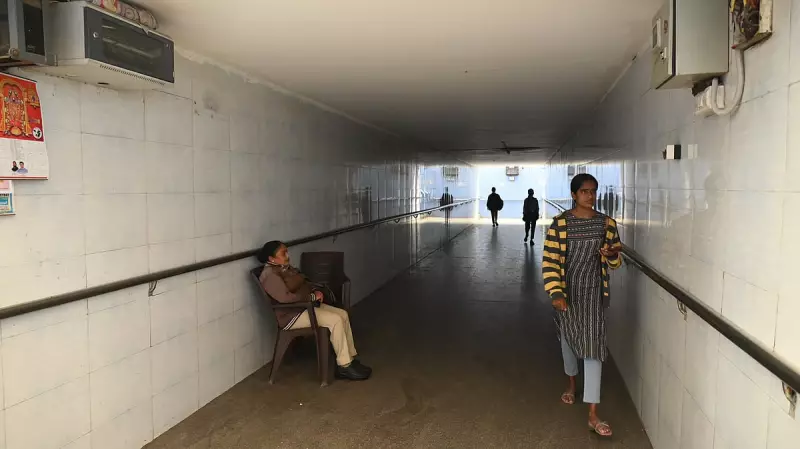
The problem is not new but is acutely felt at key locations across the city. Take the subway near the KR Puram railway station, constructed by the Bangalore Development Authority (BDA) more than 20 years ago. It epitomizes the crisis: stagnant sewage water, unbearable stench, and total darkness have rendered it unusable. Pedestrians, including daily commuters and students, are left with no choice but to dart across a high-speed highway, a gamble with fate that occurs every day.
This scene is tragically common. The subway near the Tannery Road flyover and another at Hebbal, close to the prestigious Indian Institute of Science, share a similar fate. Despite their strategic locations, these subways are flooded, poorly lit, and lack basic maintenance. What was designed as a solution has become a symbol of civic apathy, pushing vulnerable road users into the path of speeding vehicles.

Failed Promises and Administrative Paralysis
The responsibility for this infrastructure lies with the Bruhat Bengaluru Mahanagara Palike (BBMP). When confronted, BBMP officials acknowledged the issues but revealed a tangled web of delays and buck-passing. An executive engineer from the BBMP's road infrastructure department stated that proposals to renovate and maintain these subways are "pending for a long time."
The process is mired in bureaucracy. The engineering department must submit detailed project reports (DPRs) and estimates for repairs, including de-watering, cleaning, and installing lights. These then await approval and the release of funds. For the Hebbal subway, a specific proposal was made, but it remains stuck in this administrative limbo. This inaction directly contradicts the BBMP's own mandate of ensuring public safety and smooth mobility.
The Human Cost and Urgent Need for Action
The consequences of this neglect are measured in near-misses and constant fear. Pedestrians express sheer terror at the thought of using these dark, waterlogged tunnels, fearing everything from disease to physical attack. The alternative—crossing multi-lane roads—is statistically far more dangerous, contributing to the city's pedestrian accident rates.
The core issue is one of priority. While the city invests in flyovers and signal-free corridors for vehicles, the basic safety of those on foot is ignored. The subways are a microcosm of a larger problem where non-motorized transport infrastructure is an afterthought. Citizens and urban experts argue that immediate, concerted action is needed. This includes:
- Emergency cleanup and lighting drives for the most critical subways.
- Streamlining administrative processes to ensure timely maintenance and repairs.
- Incorporating design improvements and regular monitoring into civic workflow.
Until the BBMP and other authorities treat pedestrian safety with the seriousness it deserves, Bengaluru's subways will remain not passages of safety, but monuments to neglect, and its streets will continue to be a hazard for anyone on foot.