

Bengaluru's Public Transport Accessibility: Progress and Persistent Challenges
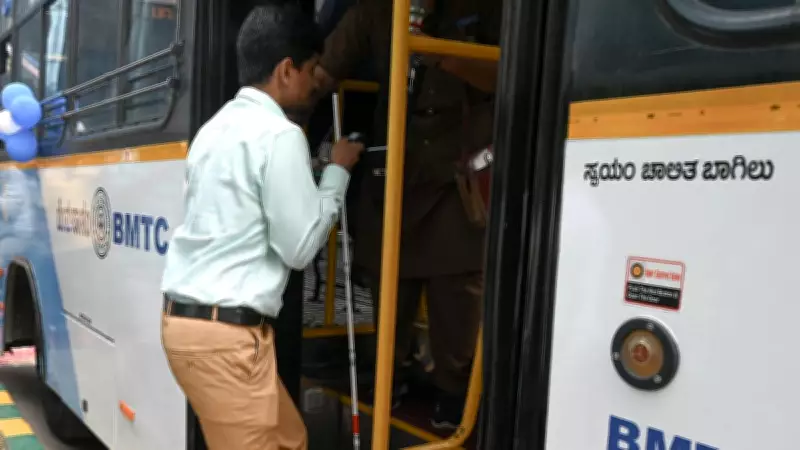
In Bengaluru, a group of six disability activists and wheelchair users have shared their experiences with Metrolife, revealing a mixed picture of the city's public transport system. While they acknowledge that Bengaluru has made significant strides in certain areas, particularly in metro station accessibility, they emphasize that public transport overall remains far from fully disabled-friendly.
Metro Improvements: A Step Forward
The activists highlighted that Bengaluru's metro stations have seen notable enhancements in accessibility features. These include ramps, elevators, and tactile pathways, which have improved mobility for wheelchair users and other individuals with disabilities. This progress is seen as a positive development in the city's efforts to create a more inclusive urban environment.
Ongoing Gaps in Public Transport
Despite these advancements, the activists pointed out that many other forms of public transport in Bengaluru still lack adequate accessibility. Issues such as inaccessible buses, poorly designed bus stops, and limited facilities in other transit modes continue to pose significant barriers. They stressed that while metro accessibility is commendable, it represents only one part of the broader public transport network that needs improvement.

The activists' feedback underscores the need for a comprehensive approach to disability-friendly infrastructure. They called for consistent policies and implementation across all transport systems to ensure that Bengaluru becomes truly accessible for all residents, regardless of their physical abilities.
Call for Action and Future Directions
In their discussions with Metrolife, the wheelchair users and activists emphasized the importance of ongoing dialogue with transport authorities. They advocated for regular audits of accessibility features and greater involvement of disabled communities in planning processes. By addressing these gaps, Bengaluru can build on its metro successes and create a more equitable public transport system that serves everyone effectively.






