Bengaluru Public Toilet Audit Exposes Stark Disconnect Between Official Claims and Citizen Reality
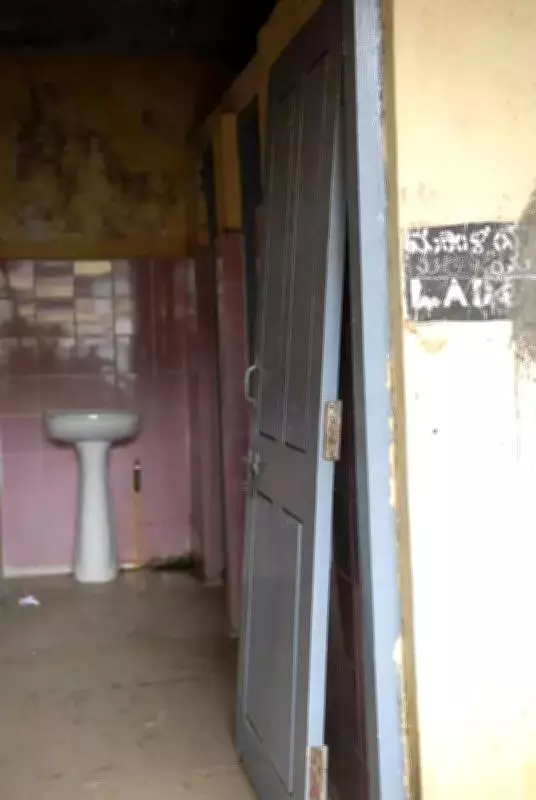
A comprehensive public toilet audit conducted in Bengaluru has revealed a sharp and troubling disconnect between official sanitation claims and the lived reality of citizens across the city. The detailed assessment exposed that most public toilets in India's tech capital were either completely unusable, unsafe, or inaccessible despite being officially marked as operational facilities.
Widespread Audit Uncovers Systemic Failures
The extensive audit was carried out by the Bengaluru NavaNirmana Party (BNP) between November 2025 and January 2026, covering 38 public toilets across 21 wards in east, central and south Bengaluru. The assessment examined facilities managed by various entities including the erstwhile Bruhat Bengaluru Mahanagara Palike (BBMP), private contractors, non-governmental organizations, corporate social responsibility initiatives, and resident welfare associations.
Shocking Statistics Reveal Functional Deficiencies
The audit findings present a disturbing picture of urban sanitation infrastructure. While nearly 90% of the surveyed toilets were technically "open" according to official records, less than 5% were found to be fully functional when considering essential parameters such as:

- Basic hygiene standards
- User safety measures
- Consistent water availability
- Dignity of access for all citizens
Severe Accessibility Issues for Persons with Disabilities
Srikanth Narasimhan, founder and general secretary of BNP, highlighted the particularly alarming situation for persons with disabilities. "More than 95% of the toilets were found to be unusable for persons with disabilities," he stated. "Steps blocking entry were present in over 90% of locations, with no usable ramps available anywhere. Furthermore, toilets specifically designated for persons with disabilities were frequently found locked or repurposed as storage rooms."
Complete Absence of Transgender Facilities
The audit uncovered another critical gap in Bengaluru's public sanitation infrastructure. "Not a single public toilet across the surveyed wards had a dedicated transgender facility," Narasimhan added. "This forces transgender users to depend on women's toilets, often creating unsafe and hostile environments that compromise their dignity and security."
Women's Underrepresentation Points to Safety Concerns
The study revealed that women constituted less than 10% of users across most locations, a statistic the audit team attributes not to lack of demand but to fundamental design flaws and safety failures. Asha Rajappa, a clothing store owner in Shivajinagar, shared her experience: "The toilets have a user fee, yet they remain poorly maintained. They won't let us use the toilets if we don't pay Rs 10 for just washing hands and Rs 20 if we need to use the washroom. This becomes an expensive burden when we are barely earning, especially when GBA claims these services are supposed to be free."
Governance Failure Beyond Infrastructure
Lalithamba BV, BNP governing council member and zonal leader for Bommanahalli, emphasized that the audit exposed deeper governance failures. "This report demonstrates that Bengaluru's public toilet crisis is not merely about a shortage of infrastructure but about systemic neglect, exclusion, and lack of accountability," she explained. "Toilets are being counted as assets on paper rather than evaluated as essential public services. When women, persons with disabilities, and transgender persons cannot safely use these facilities, the city is failing in its most basic civic duty."
Official Response and Accountability Questions
In response to the audit findings, GBA chief commissioner Maheshwar Rao acknowledged receiving the report. "We will look into the issue," he stated. "Now each city corporation is responsible for maintaining the toilets." This statement raises questions about coordination and accountability mechanisms between different municipal bodies responsible for urban sanitation in Bengaluru.

The comprehensive audit serves as a wake-up call for urban planners and municipal authorities, highlighting the urgent need to transform public toilet facilities from mere statistical assets into genuinely accessible, safe, and dignified spaces that serve all citizens equally. The findings underscore that true urban development must prioritize inclusive infrastructure that addresses the needs of vulnerable populations including women, persons with disabilities, and transgender communities.