In a significant update for voters in Uttar Pradesh, the state's election authorities have announced a revised schedule for the crucial Special Intensive Revision (SIR) of electoral rolls. The draft list, initially slated for release on the last day of 2025, will now be made public a week later.
Revised Timeline for Voter Roll Updates
Uttar Pradesh Chief Electoral Officer Navdeep Rinwa made the official announcement on Tuesday. According to the new plan, the draft electoral rolls for the Special Intensive Revision will be published on January 6, 2026. This marks a shift from the previously announced date of December 31, 2025.
Starting from that same day, January 6, a vital window will open for the state's electorate. Citizens will be able to file claims and objections regarding their voter information. This process, which allows people to request corrections, additions, or deletions to ensure their details are perfectly accurate, will remain open for a full month, until February 6, 2026.

Detailed Process for Verification and Correction
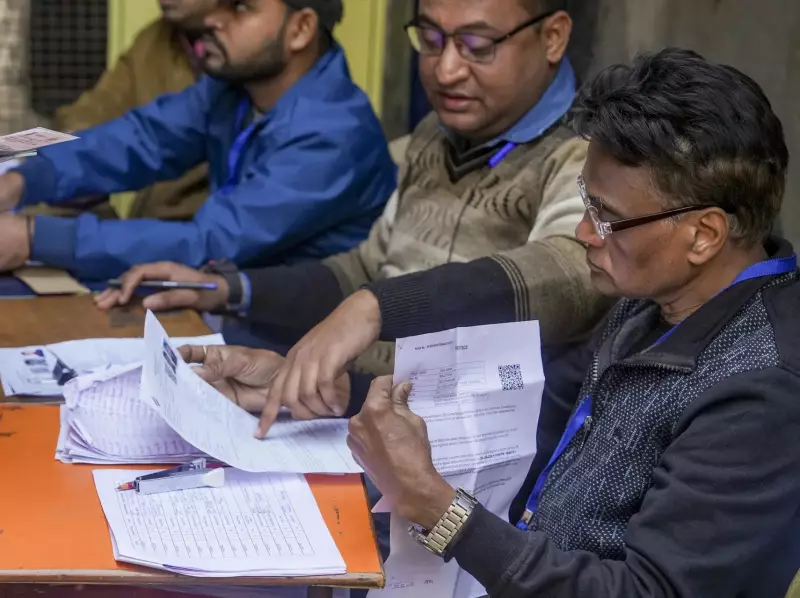
Following the publication of the draft rolls, the Election Commission machinery will swing into action. From January 6 through to February 27, 2026, officials will undertake the meticulous task of issuing notices, examining all submitted SIR forms, and resolving every claim and objection received.
This phase is the backbone of the entire exercise. It is designed for thorough verification of voter details and addressing any discrepancies. The ultimate goal is to uphold the principles of transparency and accuracy in the state's electoral process, ensuring that every eligible voter is correctly enrolled and no ineligible entries persist.
Final Publication and Rationale Behind the Change
Once all revisions, verifications, and resolutions are complete, the final, updated electoral roll for Uttar Pradesh will be formally published on March 6, 2026.
An official explained that the revised schedule has been crafted with a clear purpose. The adjustment aims to provide sufficient time for two key groups: first, for citizens to carefully verify their details on the draft list, and second, for the authorities to conduct a comprehensive and thorough review of all applications and objections. This extended timeline is expected to lead to a more robust and error-free voter list ahead of future elections.