Uttar Pradesh Voter Deletion Analysis Reveals Political Vulnerability in Urban Seats
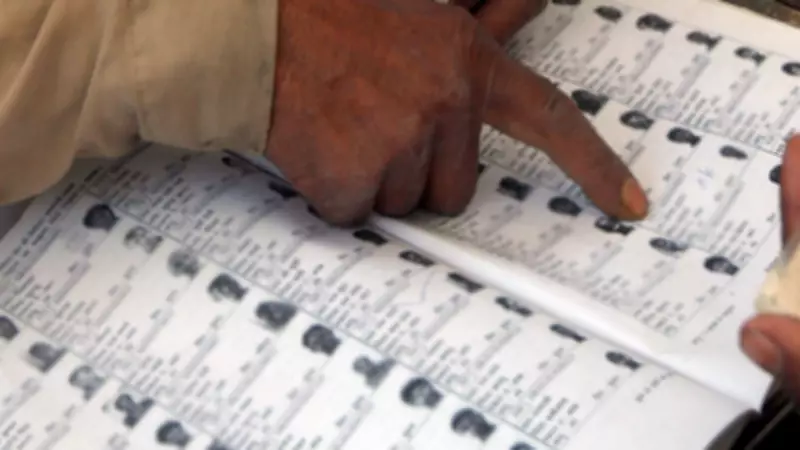
A comprehensive examination of the Special Intensive Revision (SIR) 2026 voter data for Uttar Pradesh has uncovered a significant pattern: numerous urban constituencies represented by senior political leaders and ministers have experienced voter deletions that substantially surpass their winning margins from the 2022 assembly elections. This trend is observable across multiple constituencies, cutting across party lines and raising questions about electoral dynamics.
Stark Contrasts in Deletion Figures and Victory Margins
The SIR data provides a revealing look at the disparity between voter deletions and the political strength of key leaders throughout the state. For instance, Mata Prasad Pandey, the Leader of Opposition and Samajwadi Party MLA from Itwa, secured his seat in 2022 by a narrow margin of just 1,662 votes. However, the SIR data indicates that a staggering 40,893 voters, representing 12% of the electorate, have been deleted from his constituency's rolls.
In contrast, Shivpal Singh Yadav, the six-time Samajwadi Party MLA from Jaswantnagar, presents a different scenario. His 2022 winning margin of 90,979 votes is nearly double the 47,194 voter deletions recorded during the SIR process, highlighting the enduring strength of this Yadav family bastion.

Urban Constituencies Show Heightened Sensitivity
Urban areas appear particularly vulnerable to this phenomenon. Ravidas Mehrotra's Lucknow Central seat witnessed an astonishing 1.07 lakh voter deletions, accounting for 28.88% of the electorate. This figure is nearly ten times his winning margin of 10,935 votes. Similarly, Deputy Chief Minister Brajesh Pathak's Lucknow Cantonment seat recorded the highest deletion rate in the state at 34.18%, translating to over 1.24 lakh voters removed from the rolls—far exceeding his victory margin of 39,512 votes.
The trend extends to other high-profile contests. Pallavi Patel's victory over Deputy Chief Minister Keshav Prasad Maurya in Sirathu by 7,337 votes stands in sharp contrast to the 53,048 voter deletions recorded in that constituency. In Shahjahanpur, Finance Minister Suresh Kumar Khanna's margin of 9,313 votes is dwarfed by over 1.06 lakh deletions, more than eleven times his victory margin.
Patterns Across Political Parties and Allies
This disproportionate relationship between deletions and margins is not confined to the major parties. Among BJP allies, Apna Dal (Sonelal) leader Jay Kumar Singh Jaiki of Bindki won by just 3,797 votes, while over 27,000 names were deleted from the rolls—seven times higher than his margin. Nishad Party's Rishi Tripathi from Nautanwa had a victory margin of 15,331 votes against 47,161 deletions, roughly three times his victory gap.
RLD leader and cabinet minister Anil Kumar from Purqazi (SC) won by 6,532 votes, but voter deletions exceeded 31,000, again highlighting the disproportion. Similarly, BSP's Umashankar Singh secured the Rasra seat with a margin of 6,583 votes, while deletions stood at 36,874—over five times the victory margin. Congress's Aradhana Mishra 'Mona' won Rampur Khas by 14,741 votes, yet the constituency saw 39,548 deletions, nearly three times her margin.
Exceptions and Relatively Secure Seats
Some leaders demonstrate more resilience against this trend. Suheldev Bhartiya Samaj Party chief and cabinet minister Om Prakash Rajbhar offers an example where mass leadership appears to mitigate risk. His 45,632-vote win in Zahoorabad exceeded voter deletions of 39,447. However, his party colleague Abbas Ansari, son of the late Mukhtar Ansari, won Mau with a margin of 38,116 votes, though deletions were higher at 53,826, introducing an element of uncertainty.

Chief Minister Yogi Adityanath's Gorakhpur Urban seat stands out as a relatively secure example, where his 1.03 lakh vote margin remains well above the 33,094 voter deletions recorded. Jansatta Dal Loktantrik's Raghuraj Pratap Singh (Raja Bhaiya) also recorded a stronger position in Kunda with a margin of 30,315 votes against 53,539 deletions, indicating a closer ratio compared to other seats.
Implications and Broader Observations
The analysis reveals that urban constituencies, in particular, show a politically sensitive gap between deletions and margins. Seats like Allahabad South, represented by cabinet minister Nand Gopal Gupta Nandi, also exhibit high deletion figures nearing one lakh. This widespread pattern across parties suggests systemic factors at play, potentially reshaping the electoral landscape for future contests.
As Uttar Pradesh prepares for upcoming elections, the SIR 2026 data provides crucial insights into voter dynamics and the vulnerabilities of incumbent representatives. The disproportionate voter deletions in urban areas could significantly impact political strategies and outcomes, making this analysis essential for understanding the state's evolving political environment.