Voter Confusion Looms as Lookalike Party Symbols Crowd Tamil Nadu EVMs
In the bustling electoral landscape of Tamil Nadu, voters are grappling with a perplexing array of similar-looking party symbols on electronic voting machines (EVMs). This issue is particularly acute in constituencies like Karur, where over 70 candidates are vying for votes, leading to potential mix-ups that could sway election outcomes.
Legal Disputes and Symbol Similarities
The prevalence of lookalike symbols has ignited a wave of complaints and legal actions. For instance, the Janata Party has filed a petition in the Madras High Court, arguing that the NTK's symbol of a farmer carrying a plough is nearly identical to its own chakra haldhar (farmer within a chakra). Similarly, reports indicate that TVK is dissatisfied because its whistle symbol closely resembles a road roller, which is listed among the free symbols available to candidates from unrecognized parties.
Strategic Use of Symbol Confusion
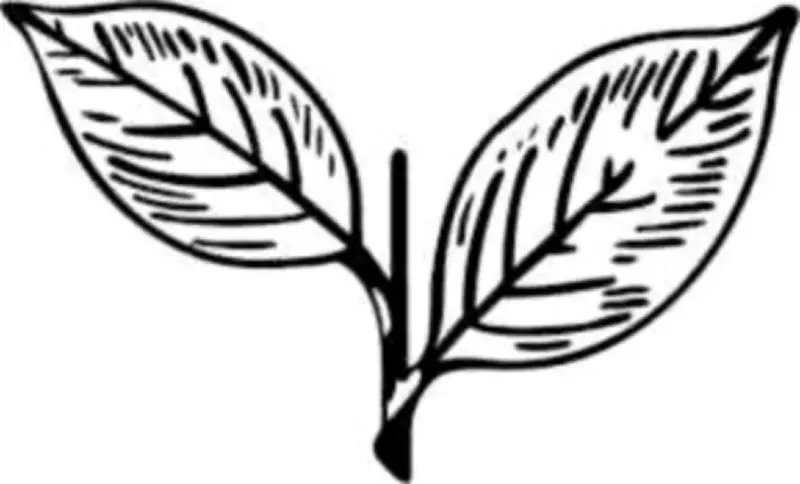
Some candidates are leveraging this confusion as a deliberate strategy. Independent candidate K Jeya from Madurai has opted for the Y-shaped electric pole symbol, which can easily be mistaken for the AIADMK's iconic two leaves symbol. This symbol was previously allotted to the O Panneerselvam faction during the AIADMK split in 2016. "I'm banking on people mistaking the pole for the two leaves," says the 49-year-old candidate, highlighting how visual similarities can influence voter decisions in crowded electoral spaces.

Expert Insights on Design and Cognition
Experts warn that the design of election symbols plays a critical role in voter cognition. G G Ray, a former professor at the Industrial Design Centre, IIT-Bombay, notes, "If there is too much happening in a small space, it can confuse the viewer." This is especially relevant given that EVM symbols must be recognized within a confined 2cm space. A professor from a government-run design institute explains that voters often rely on cognitive heuristics—mental shortcuts based on recognition—when making choices. "The brain relies on patterns and does not analyse each symbol. It only retrieves what feels familiar," he says.
He further emphasizes that election symbols are often overly detailed, with unnecessary elements like leaf veins or shading, which can hinder quick recognition. Instead, he advocates for the use of professionally designed pictograms that are stripped of extraneous details to enhance clarity and reduce confusion.
Research Findings on Symbol Preferences
A study titled 'Election Symbols and Vote Choice', which analyzed Tamil Nadu elections in 2016, 2019, and 2021, reveals that candidates tend to favor symbols that either have a prior association with political parties or visually resemble those of established parties. Published in Political Science Research and Methods, the study found that among the top 20 symbols chosen by candidates, eight were either previously linked to a political party or faction or were thought to mimic a major party symbol. This trend underscores the strategic importance of symbol selection in influencing voter perception.
Broader Implications for Electoral Integrity
The confusion caused by lookalike symbols raises significant concerns about electoral integrity and voter autonomy. As the brain tends to interpret images as recognizable wholes, even when parts are arranged in familiar ways, voters may inadvertently select symbols they associate with known parties, rather than making informed choices. This phenomenon highlights the urgent need for the Election Commission to implement stricter design standards and review processes for party symbols to ensure fairness and transparency in the democratic process.
In summary, the crowding of similar symbols on EVMs in Tamil Nadu not only sparks legal disputes but also poses a real risk of voter misdirection, calling for immediate attention from electoral authorities and design experts alike.