Prime Minister Narendra Modi delivered a powerful conclusion to his Lok Sabha election campaign on Thursday, asserting that the unexpectedly high voter turnout has left the opposition INDIA bloc in a state of shock and confusion. Speaking at his final rally in Haryana, the Prime Minister framed the ongoing elections as a critical battle between stability and uncertainty.
Campaign Culmination in Haryana
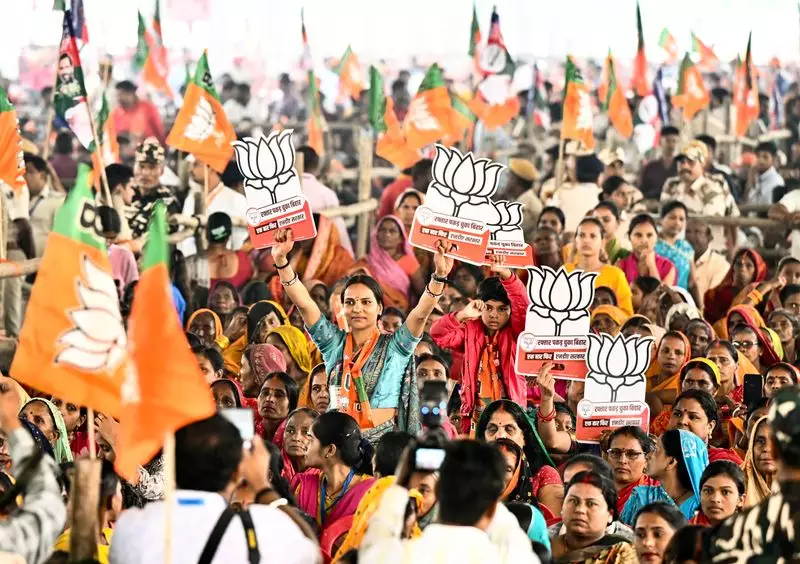
The Prime Minister's final campaign address took place in Haryana's Sirsa, where he addressed thousands of supporters on May 30. This marked the endpoint of an extensive election campaign that has spanned numerous states and constituencies across the nation. Modi emphasized that the electoral process has demonstrated the Indian populace's clear preference for a government that delivers concrete development outcomes.
The seventh and final phase of voting is scheduled for June 1, covering 57 parliamentary constituencies across eight states and union territories. The counting of votes for all phases will commence on June 4, determining the political direction of the world's largest democracy for the coming five years.

High Turnout as Political Message
Prime Minister Modi highlighted the significant voter participation as a central theme of his address. He interpreted the robust turnout as a strong endorsement of his government's policies and performance over the past decade. According to his assessment, the enthusiastic public response has completely unnerved the opposition coalition.
"The high percentage of voting has shocked the INDI alliance and they have lost sleep," Modi stated during his rally. He contrasted what he described as his government's track record of achievement with what he characterized as the opposition's history of corruption and policy paralysis during their previous terms in office.
Contrasting Governance Approaches
The Prime Minister drew sharp distinctions between the governance models offered by the competing political formations. He positioned the current administration as focused on national development, security, and economic growth, while portraying the opposition alliance as preoccupied with personal interests and political survival.
Modi reminded voters that the opposition coalition had initially expressed confidence about their electoral prospects but now appeared demoralized by the public's response. He framed the choice facing voters as one between a proven government with a clear development agenda and an unstable coalition that he suggested would reverse the country's progress.
As the campaign period concludes, all attention now shifts to the final phase of voting and the subsequent counting process. The election results will determine whether Prime Minister Modi secures a third consecutive term in office or whether the opposition INDIA bloc can stage an unexpected comeback.