Soaring Travel Expenses Disenfranchise Assam Voters, Prompting Calls for Remote Voting Solutions
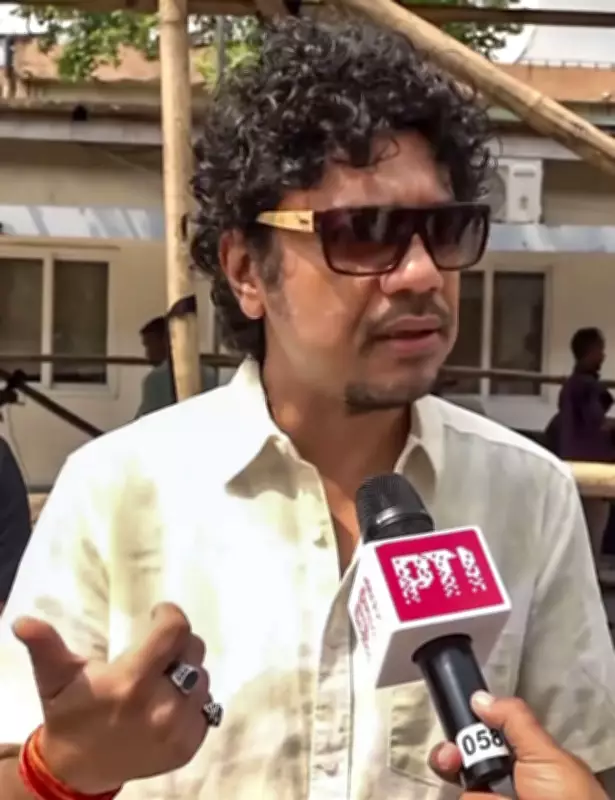
In a significant development highlighting logistical barriers to democratic participation, numerous voters from Assam residing outside the state were unable to participate in Thursday's polling due to prohibitively high travel costs. This issue has gained prominence with renowned singer Angarag Mahanta, widely known as Papon, publicly advocating for the implementation of a remote voting system utilizing biometric or fingerprint scanning technology to enfranchise distant citizens.
Papon's Personal Experience and Proposal
After casting his vote at the AIDC polling booth in Guwahati's Zoo Road area, Papon shared his concerns with the media. "I don't miss voting, but it has become difficult now because ticket prices have become so high," he stated, emphasizing the financial strain of frequent travel. "I have to do a lot of travelling. It's not possible to bring the family to vote; it's not possible for everyone."
Papon pointed out that many individuals likely missed the opportunity to vote solely due to exorbitant ticket prices. He proposed a forward-looking solution: "Some kind of remote voting system in India, like using biometric or fingerprint scanning, if introduced in future, would be helpful so that people who are away for work can still exercise their franchise." This suggestion aims to bridge the gap for migrant workers and professionals who cannot afford the journey home during elections.

Real-Life Struggles of Displaced Voters
The financial burden was particularly acute this election season, with many finding travel by air or road from distant workplaces an expensive endeavor. Ellora Goswami, a resident of North Goa for two decades, expressed her frustration at being unable to travel to Guwahati to vote due to steep airfares, despite a strong desire to participate.
"The flight fare increased abnormally after the West Asia conflict, making it difficult for people living away from home to go and vote," Goswami explained. She monitored prices until Wednesday, hoping for a drop, but found fares ranging from Rs 32,000 to Rs 35,000 for Goa to Guwahati flights post-conflict. "I did not book a ticket then as I had a doubt that the fare might go up more due to the West Asia conflict. That exactly happened. Flight ticket price went upto over Rs 47,000 on Wednesday, a day before the polls in Assam."
Goswami and her husband, Dipak Baishya, who run a restaurant in Goa and are enrolled in the Dispur assembly constituency, faced a tough decision. "Managing one ticket at such a high cost became difficult for us. Eventually, we cannot go to vote," she lamented. Comparing to past experiences, she noted that a last-minute ticket in 2015 cost Rs 16,000, then the highest she had seen, underscoring the dramatic price surge.
Broader Implications and Support for Remote Voting
The travel cost crisis is compounded by other challenges. Goswami's restaurant has been closed for about three weeks due to an LPG crisis linked to the West Asia conflict, adding economic pressure. She strongly endorsed the idea of remote voting for people living away from their native places to prevent votes from going uncast.
Regarding alternative travel options, Goswami highlighted the limitations of train travel, which takes longer and raises concerns about hygiene and security, making it viable only in exceptional circumstances. This sentiment is echoed by others, such as Runjun Das, who posted on Facebook that her two children living outside Assam could not return to vote because of high airfares.
The collective experiences of Papon, Goswami, and others underscore a critical issue in Indian democracy: accessibility. As travel costs continue to rise, especially in contexts like the West Asia conflict, the call for innovative solutions like biometric remote voting systems grows louder, aiming to ensure that every citizen can exercise their fundamental right to vote without financial hardship.