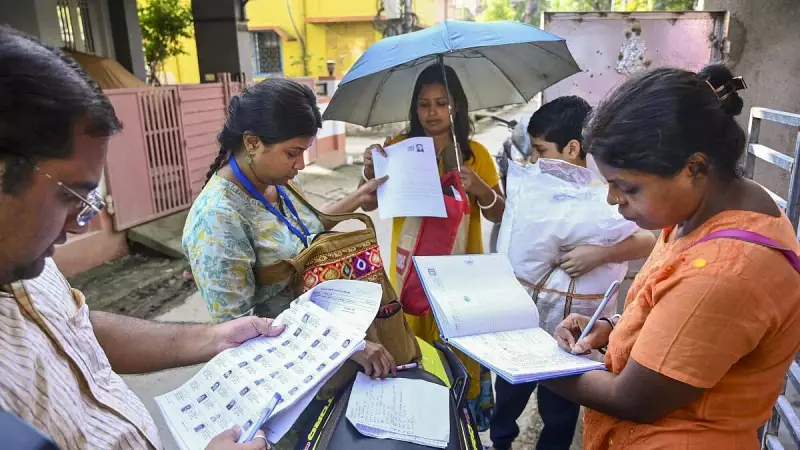
Former Enclave Dwellers Face Voter Registration Crisis in West Bengal
Hundreds of women who once lived in the former India-Bangladesh enclaves now risk being left out of West Bengal's draft electoral rolls for the Special Intensive Revision 2026. This potential exclusion comes despite previous assurances from the Election Commission that would protect their voting rights.
The Broken Promise of Voter Inclusion
The Election Commission had given a verbal assurance that enclave residents missing from the 2002 electoral rolls would be included in the new lists using documentation from the 2015 headcount records. The 2002 rolls serve as the foundation for the SIR 2026 revision, creating a significant gap for those who became Indian citizens only after the 2015 land boundary agreement between India and Bangladesh.
Many women from these former enclaves were not present in the 2002 records since the territories were officially part of Bangladesh at that time. Their citizenship status changed only after the historic border agreement implementation in 2015, leaving them in administrative limbo when it comes to voter registration.

Consequences for Democratic Participation
The potential exclusion of hundreds of former enclave women from the electoral rolls represents a significant threat to their democratic rights and political representation. Without proper inclusion in the voter lists, these citizens won't be able to participate in future elections at both state and national levels.
This situation highlights the ongoing challenges in implementing the 2015 land boundary agreement fully. While the territorial exchange was completed administratively, the integration of former enclave dwellers into India's democratic processes appears to be facing bureaucratic hurdles that could disenfranchise vulnerable populations, particularly women.
The issue underscores the need for systematic documentation and verification processes that acknowledge the unique circumstances of those affected by the border agreement. As the November 2025 deadline passes, advocacy groups are likely to increase pressure on election authorities to honor their commitments to these new Indian citizens.