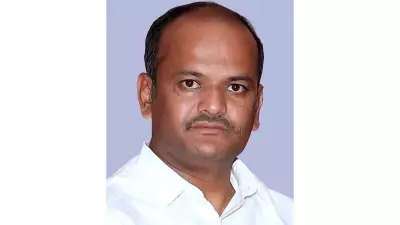
Election Commission Disqualifies Trinamool Candidate in Krishnanagar North
In a significant development for the 2026 Bengal assembly elections, the Election Commission (EC) has rejected the nomination of Trinamool Congress candidate Abhinav Bhattacharya from the Krishnanagar North constituency. This marks the first instance of a recognised political party's candidate being disqualified in these elections, highlighting the EC's strict enforcement of electoral laws.
Legal Grounds for Rejection
The EC invoked Section 9A of the Representation of the People Act, 1951, which disqualifies individuals who have a subsisting contract with the government for the supply of goods or execution of works. According to sources, the commission found that Bhattacharya's business dealings with the state government constituted a conflict of interest, rendering his candidature invalid. This decision underscores the EC's commitment to maintaining integrity in the electoral process by preventing potential biases from government contracts.
Trinamool's Prepared Response
Anticipating such a possibility, the Trinamool Congress had already filed the nomination of an alternative candidate. Somnath Dutta is now expected to contest the Krishnanagar North constituency as the party's nominee. This proactive move demonstrates the party's strategic planning to ensure continuity in their electoral efforts despite unforeseen setbacks.

Reactions and Implications
Abhinav Bhattacharya expressed disappointment, calling the development "very unfortunate", but stated he would abide by the party's decision. Earlier this week, Chief Minister Mamata Banerjee had introduced him as the party's candidate at a public rally in Shantipur, adding a layer of political significance to this rejection. The incident raises questions about candidate vetting processes and could influence future electoral strategies in Bengal.
This rejection serves as a reminder of the stringent legal frameworks governing elections in India, aimed at ensuring fairness and transparency. As the 2026 Bengal assembly elections approach, such actions by the EC may set precedents for handling similar cases involving government contracts and conflicts of interest.