Election Commission Unveils 2026 Assembly Poll Schedule for Five States and Union Territory
The Election Commission of India has formally announced the comprehensive schedule for the highly anticipated Assembly elections scheduled for the year 2026. This major electoral exercise will encompass five key states and one union territory, setting the stage for significant political contests across diverse regions of the country.
States and Union Territory Going to Polls
The elections will be conducted in the states of West Bengal, Tamil Nadu, Assam, and Kerala, alongside the union territory of Puducherry. Each of these regions presents unique political landscapes and historical voting patterns, making the 2026 polls a critical barometer for national and regional political dynamics.
Political Parties and Major Contenders
The electoral battles are expected to feature intense competition among major national and regional parties. Key players include the Bharatiya Janata Party (BJP), the Trinamool Congress (TMC) in West Bengal, the Indian National Congress, and the Dravida Munnetra Kazhagam (DMK) in Tamil Nadu. These parties are already gearing up for extensive campaigning, strategic alliances, and voter outreach programs to secure a decisive mandate.

Electoral Process and Commission's Preparations
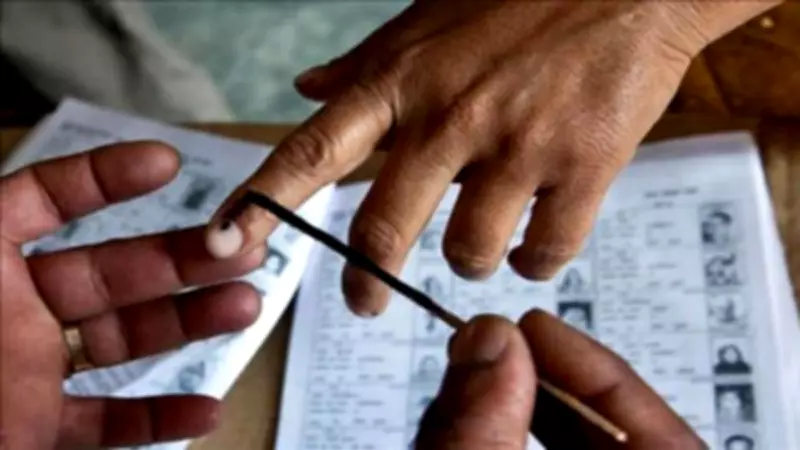
The Election Commission has outlined a detailed timeline for the electoral process, which includes phases for nomination filings, scrutiny of candidates, campaigning periods, and the final voting dates. The Commission is committed to ensuring a free, fair, and transparent election, with robust arrangements for security, voter awareness, and the deployment of electronic voting machines (EVMs) and Voter Verifiable Paper Audit Trail (VVPAT) systems.
Significance and Broader Implications
The 2026 Assembly elections hold substantial importance for several reasons:
- Political Realignment: The outcomes could influence the balance of power in state legislatures and impact national political equations.
- Policy Direction: Results will shape governance and policy initiatives in key sectors such as economy, education, and infrastructure in these states.
- Voter Engagement: With a diverse electorate, these polls will test voter sentiment on issues ranging from local development to national agendas.
As the election schedule is now public, political activities are expected to intensify, with parties launching manifestos, conducting rallies, and engaging in digital campaigns to connect with voters. The Election Commission will continue to monitor preparations closely to uphold the integrity of the democratic process.