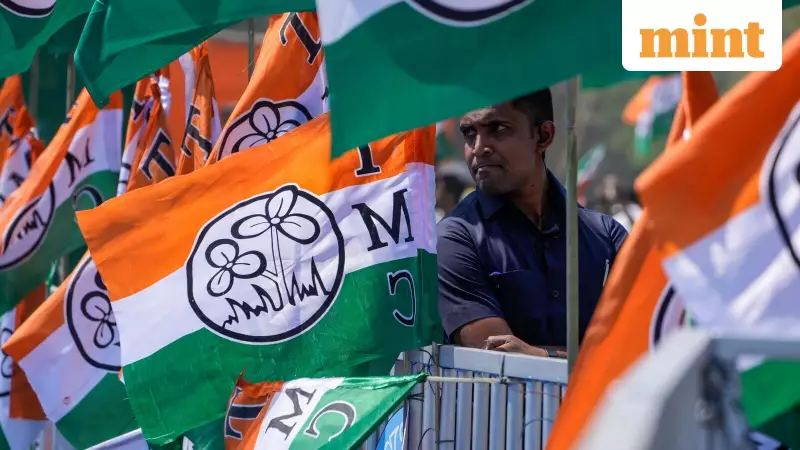
The release of West Bengal's draft electoral rolls has ignited a fierce political battle, with the ruling Trinamool Congress (TMC) using the Election Commission's data to challenge the Bharatiya Janata Party's (BJP) long-standing allegations of massive voter list manipulation by illegal immigrants.
The Core Contradiction in Voter Data
The draft rolls, published after a month-long Special Intensive Revision (SIR) ahead of the 2026 assembly elections, show a significant cleanup. Over 58 lakh (5.8 million) names were deleted from the lists due to reasons including death, permanent migration, duplication, and procedural lapses. However, the most contentious figure is the number of voters officially classified as 'fake' or 'ghost.' The Election Commission's breakdown places this number at only 183,328, a figure drastically lower than the BJP's repeated claims that around one crore (10 million) Rohingya and Bangladeshi nationals were fraudulently enrolled.
TMC's Counter-Offensive and BJP's Rebuttal
Armed with this data, the TMC launched a sharp attack on the state's Leader of the Opposition, BJP's Suvendu Adhikari. The party accused him of deliberately spreading "misinformation" to create a politically charged narrative ahead of the elections. TMC spokesperson Krishanu Mitra presented a detailed argument, highlighting disparities in deletion rates. He pointed out that in nearly 80% Muslim-dominated constituencies, the average deletion rate was about 0.6%, while in Matua-dominated regions, it soared to around 9%. The state's overall deletion rate stands at approximately 4%.

"If you exclude deaths, who are the remaining deleted voters? Through which borders did they leave?" Mitra questioned, referencing BSF data about a minor flow of people crossing back into Bangladesh via the Hakimpur border.
The BJP swiftly dismissed the TMC's allegations. Suvendu Adhikari, who had previously urged the EC to purge alleged illegal voters, mocked the counter-charge, suggesting the process was far from over. "This is just the beginning. Breakfast has just begun. There will be lunch, tea and then dinner," Adhikari stated, indicating the political skirmish would intensify.
Broader Implications and Escalating Rhetoric
The publication of the draft rolls has amplified the hostile rhetoric between the two major parties, especially concerning the sensitive issue of cross-border movement in districts like North 24 Parganas that share a border with Bangladesh. The mention of undocumented Bangladeshis returning via borders like Hakimpur and Bongaon has added fuel to the existing fire. The debate now centrally revolves around three interconnected issues: the alleged infiltration, the contested validity of the voter lists, and the credibility of the Election Commission's high-stakes revision process conducted months before the crucial polls.
This clash over the electoral rolls is not just a statistical dispute but a foundational political conflict that questions electoral integrity and sets the stage for a highly charged campaign season leading up to the 2026 West Bengal assembly elections.