

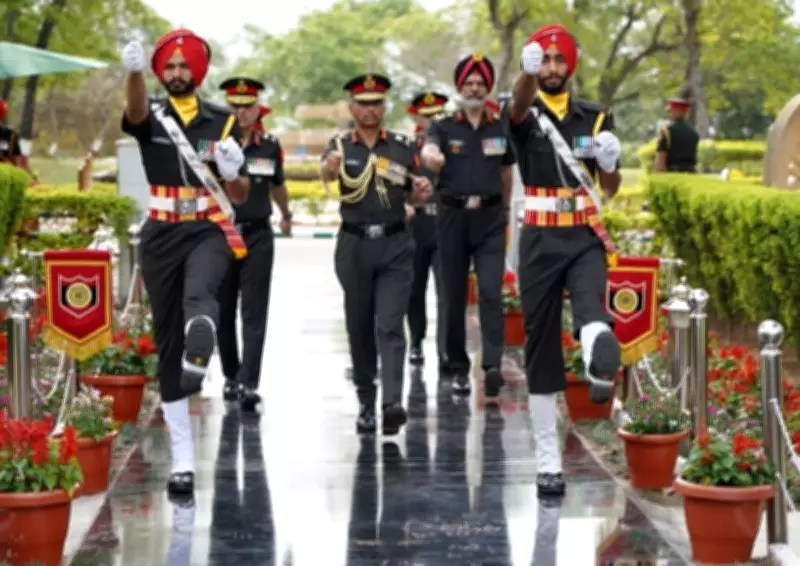
A Look at the Arms to Which Western Army Commanders Have Belonged
The Western Army Command, a crucial formation of the Indian Army, has been led by distinguished officers who hail from a wide array of arms and regiments. This diversity underscores the rich tapestry of military expertise that shapes India's defense strategy. Understanding the backgrounds of these commanders provides insight into the operational dynamics and leadership ethos within one of the nation's most significant military commands.
Historical Overview of Western Army Command
Established to safeguard India's western borders, the Western Army Command has played a pivotal role in numerous conflicts and peacekeeping operations. Over the decades, its commanders have come from various arms, including infantry, artillery, armored corps, and support services. This mix ensures a balanced approach to warfare, combining ground assault capabilities with strategic support and logistics.
Diverse Arms and Regiments of Commanders
Western Army Commanders have belonged to several key arms, each bringing unique skills to their leadership roles. For instance, many commanders have roots in the infantry, known for its direct combat roles and tactical prowess. Others have served in the artillery, providing critical firepower support during operations. The armored corps has also contributed leaders, emphasizing mobility and armored warfare expertise.

Additionally, some commanders have backgrounds in specialized regiments such as the Gorkha Rifles, Sikh Regiment, or Rajputana Rifles, reflecting India's multicultural military heritage. This variety not only enriches the command's operational capabilities but also fosters a culture of inclusivity and respect for different traditions within the army.
Impact on Military Strategy and Operations
The varied arms backgrounds of Western Army Commanders have significantly influenced military strategy. Commanders with infantry experience often focus on ground tactics and troop morale, while those from artillery or armored corps may prioritize technological integration and firepower. This blend ensures that the Western Army Command can adapt to diverse threats, from conventional warfare to counter-insurgency operations.
Moreover, the leadership styles of these commanders are shaped by their regimental affiliations, promoting values like discipline, courage, and innovation. This has led to successful operations in challenging terrains along the western border, enhancing national security and defense preparedness.
Notable Commanders and Their Contributions
Throughout history, several Western Army Commanders have left a lasting impact. For example, commanders from the artillery arm have been instrumental in modernizing fire support systems, while infantry leaders have excelled in border management and conflict resolution. Their contributions highlight how diverse military backgrounds contribute to a robust and resilient defense framework.
In recent years, the command has seen commanders with experience in cyber and electronic warfare, reflecting the evolving nature of modern threats. This adaptability underscores the importance of continuous learning and integration of new technologies within the Indian Army.
Conclusion: A Testament to Military Diversity
The arms and regiments to which Western Army Commanders have belonged showcase the Indian Army's commitment to diversity and excellence. By drawing leaders from various military branches, the command maintains a holistic approach to defense, capable of addressing multifaceted challenges. This tradition not only honors India's rich military history but also paves the way for future innovations in security and strategy.






