US Delegation Returns to Pakistan for Critical Iran Negotiations
A high-level American team is set to return to Pakistan on Monday for a second round of talks with Iran, amidst renewed and aggressive threats from US President Donald Trump. The President has warned that if Tehran does not agree to a deal with Washington, the United States will destroy every bridge and power plant in Iran. This development follows a tense period of diplomatic maneuvering and military posturing in the region.
Iran's Stance and Demands for Participation
Iran has not confirmed its attendance at the upcoming talks in Pakistan, indicating that it may abstain until the US meets several key demands. These include lifting the naval blockade of the Hormuz Strait, negotiating the removal of sanctions, unfreezing Iranian assets, and securing a permanent end to hostilities. Despite Trump's announcement of the US visit, which coincided with his dire threats, Iran is still seeking assurances from Pakistan regarding the respect of its red lines. Pakistan's military ruler, Asim Munir, recently concluded a three-day visit to Tehran that appeared to yield little progress.
Confusion Over US Team Composition and Strategy
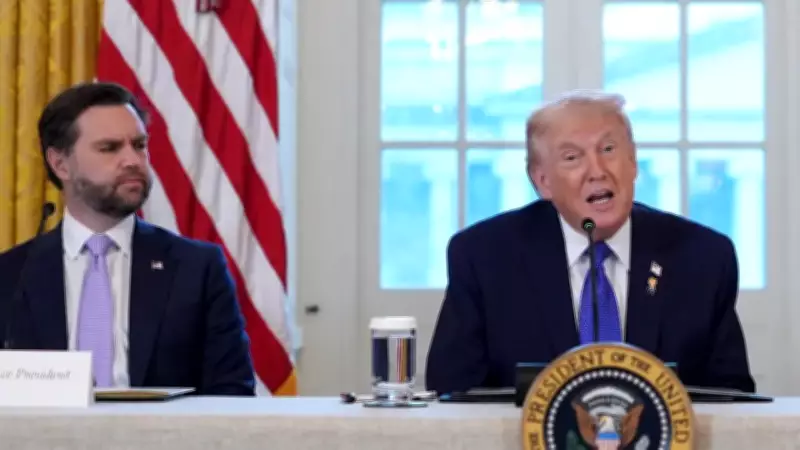
There is significant confusion in Washington regarding the composition of the US delegation and its objectives for the talks. Initially, President Trump stated that Vice-President JD Vance would not lead the team, citing security concerns from the Secret Service due to the short-notice nature of the trip. However, the White House later clarified that Vance would indeed participate, even though Iran has not confirmed its involvement. The team is expected to include Trump's special envoy, Steve Witkoff, and his son-in-law, Jared Kushner.

Trump's Aggressive Rhetoric and Social Media Warnings
President Trump has set a belligerent tone ahead of the negotiations, using social media to issue tough messages to Iran. In a recent post, he berated Iran for firing on merchant ships in the Strait of Hormuz, violating ceasefire agreements, and reiterated his threats. "We're offering a very fair and reasonable DEAL, and I hope they take it because, if they don't, the United States is going to knock out every single Power Plant, and every single Bridge, in Iran. NO MORE MR. NICE GUY!" he warned. This message, while slightly toned down from previous threats to end Iranian civilization, is still viewed by many analysts as a potential war crime.
Trump added, "They'll come down fast, they'll come down easy and, if they don't take the DEAL, it will be my Honor to do what has to be done, which should have been done to Iran, by other Presidents, for the last 47 years. IT'S TIME FOR THE IRAN KILLING MACHINE TO END!" In response, Iran's President, Dr. Masoud Pezeshkian, accused the US of hypocrisy, stating that Washington announces assassinations and then labels Iranians as terrorists. He criticized international bodies for their silence on such matters.
Domestic Criticism and Strategic Calculations
Trump is facing growing criticism at home for his approach to the negotiations, with analysts arguing that his strategy of using threats and invective is ineffective. According to a report in the Wall Street Journal, Trump has instructed aides to appear as unstable and insulting as possible, believing this tactic might compel Iran to negotiate. The report cited an official who noted Trump's concern about the fallout from his social media posts, including one where he called Iranian leaders "crazy bastards" and threatened to end their civilization.
Secretary of State Marco Rubio, who has been sidelined in the talks, privately suggested that such language could actually bring Iran to the table. However, Tehran has remained defiant, risking further confrontation. Trump has repeatedly claimed that the Iranian leadership is divided and that his team is negotiating with a more moderate faction willing to deal with Washington.

Backlash and Internal Dissent in the US
Domestically, Trump is under fire for potentially leading the US into another distant conflict with limited stakes. In a Truth Social post, he downplayed US losses, stating, "They're helping us without knowing, and they are the ones that lose with the closed passage, $500 Million Dollars a day! The United States loses nothing." This undermines his stated goal of preventing Iran from acquiring nuclear weapons.
There is also brewing backlash within MAGA circles over rising gas prices, which Trump has attempted to brush aside despite boasting about US energy self-sufficiency. Supporters of Vice-President JD Vance are unhappy that he is being involved in talks to defuse a war that was opposed from the outset. Commentators have expressed surprise at Trump's decision to send Vance back to Pakistan after a failed first round, with one observer noting on X, "Sending Vance back to Pakistan after 21 hours of failed talks is like restarting a microwave that already caught fire."
Conclusion: High Stakes in a Volatile Diplomatic Landscape
The return of the US team to Pakistan for talks with Iran marks a critical juncture in international diplomacy, fraught with threats, demands, and internal dissent. As both nations navigate this volatile landscape, the outcome could have significant implications for regional stability and global security. The world watches closely as these high-stakes negotiations unfold under the shadow of aggressive rhetoric and uncertain prospects for peace.