

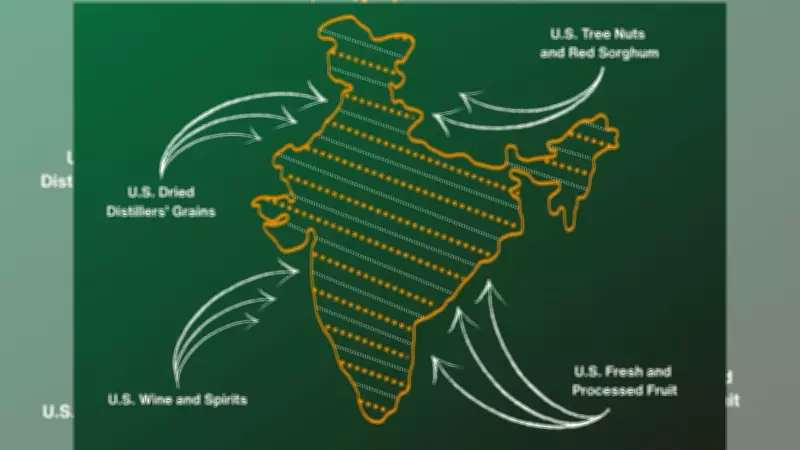
US Map of India Sparks Diplomatic Chatter, Overshadows Trade Deal Framework
In what initially seemed like a standard visual aid for a routine trade announcement, Washington may have delivered one of its most pointed geopolitical messages to South Asia in recent memory. As New Delhi and Washington jointly revealed the framework for the inaugural phase of an interim bilateral trade agreement, a map released by the United States Trade Representative (USTR) unexpectedly stole the spotlight, igniting a flurry of diplomatic conversations and analysis.
The Map That Spoke Volumes
The graphic, presented alongside the trade deal details, was far from a mere illustration. It quickly became the focal point of discussions among diplomats and geopolitical observers. The map's depiction of India's territorial boundaries was interpreted by many as a subtle yet powerful signal from the United States, reflecting its strategic stance in the region. This visual element, though seemingly innocuous, carried implications that resonated deeply within diplomatic circles, suggesting a nuanced alignment or commentary on regional sovereignty and alliances.
Trade Deal Takes a Backseat
While the interim trade agreement framework itself marks a significant step in strengthening economic ties between India and the US, its announcement was largely overshadowed by the map controversy. The deal, aimed at enhancing bilateral trade and addressing key market access issues, includes provisions on tariffs, digital trade, and intellectual property. However, the diplomatic chatter quickly shifted from the economic merits of the agreement to the geopolitical undertones of the accompanying map, highlighting how visual representations can sometimes convey messages more forcefully than written agreements.

Geopolitical Implications and Reactions
The release of the map has prompted widespread speculation about Washington's intentions and its broader strategy in South Asia. Analysts suggest that such a move could be interpreted as a deliberate signal to other regional powers, possibly concerning territorial disputes or alliances. The reaction from Indian officials and other stakeholders has been closely watched, with many emphasizing the importance of clarity and consistency in international representations. This incident underscores the delicate balance between diplomatic signaling and maintaining stable bilateral relations, especially in a region as strategically significant as South Asia.
Broader Context and Future Outlook
This event occurs against a backdrop of evolving US-India relations, characterized by growing economic cooperation and shared strategic interests. The map controversy serves as a reminder of the complexities involved in international diplomacy, where even ancillary elements can carry substantial weight. Moving forward, both nations will likely seek to navigate these sensitivities while advancing their trade and geopolitical agendas. The interim trade deal, though currently in the shadows, remains a crucial component of this bilateral partnership, with future phases expected to build on this foundation.
In summary, while the US-India interim trade agreement framework represents a positive development in economic relations, the accompanying map has emerged as a more talked-about element, reflecting the intricate interplay between trade and geopolitics. This incident highlights how diplomatic signals, whether intentional or not, can sometimes speak louder than the deals they accompany, shaping perceptions and discussions in the international arena.






