Global Tensions Soar After US-Israel Operation and Iranian Retaliation
In a dramatic escalation of international conflict, the geopolitical landscape has been profoundly shaken following a high-stakes military operation conducted by the United States and Israel. The joint mission, executed two weeks ago, successfully targeted and eliminated former Iranian Supreme Leader Ayatollah Ali Khamenei. This bold action has triggered a swift and severe chain of retaliatory measures from Tehran, plunging the region into a state of heightened crisis and threatening global economic stability.
Iran's Aggressive Response and the Strait of Hormuz Closure
In direct response to the assassination of Ayatollah Ali Khamenei, the Iranian government has launched a series of calculated military strikes against several of its neighboring countries. These aggressive maneuvers are designed to demonstrate Tehran's resolve and capability to project power across the region. More critically, Iran has taken the drastic step of closing the strategically vital Strait of Hormuz, a narrow maritime chokepoint through which approximately 20 percent of the world's total oil shipments routinely pass.
The closure of this essential waterway has immediate and far-reaching consequences for the global energy market. It effectively severs a major artery of international trade, causing significant disruptions to oil supply chains and prompting fears of a sharp spike in global fuel prices. This move underscores Iran's leverage over global energy security and represents a clear escalation in its confrontation with Western powers.

US Counterstrikes and the Targeting of Kharg Island
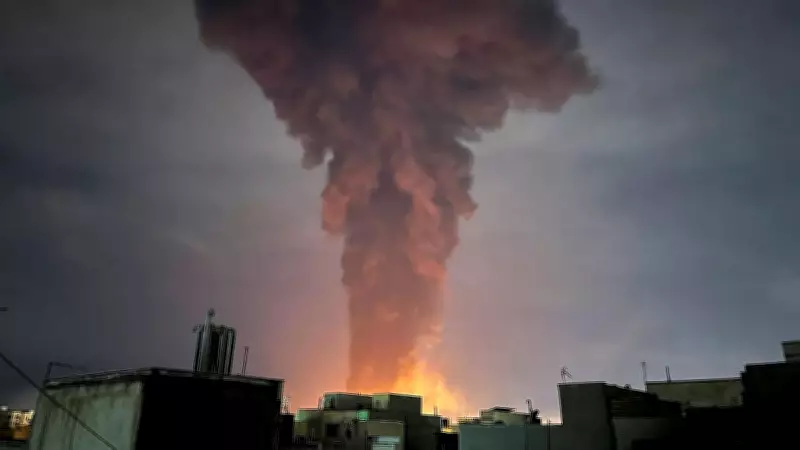
Amidst this volatile situation, United States President Donald Trump announced on Friday that the US military has initiated precision strikes against Kharg Island, a key Iranian oil facility and one of the largest oil terminals in the entire Middle East. This decisive countermeasure is aimed at crippling Iran's economic infrastructure and diminishing its capacity to fund further military operations or regional provocations.
The targeting of Kharg Island is a significant escalation, directly impacting Iran's primary export revenue stream. The facility is crucial for the loading and export of Iranian crude oil, and its impairment could have severe long-term effects on the nation's economy. President Trump's announcement signals a firm US commitment to maintaining military pressure and responding forcefully to Iranian actions that threaten international waterways and global commerce.
Implications for Regional and Global Stability
The sequence of events—beginning with the US-Israel operation, followed by Iranian retaliation and the US counterstrike—has created a highly precarious situation with potential ramifications far beyond the immediate region. Key implications include:
- Energy Security Crisis: The closure of the Strait of Hormuz poses a direct threat to global oil supplies, potentially leading to economic instability and increased tensions among oil-dependent nations.
- Military Escalation Risk: The exchange of strikes raises the alarming possibility of a broader military conflict, drawing in regional actors and further destabilizing the Middle East.
- Diplomatic Fallout: International diplomatic efforts are likely to be strained, as nations navigate the complex dynamics of supporting allies, securing energy interests, and preventing a full-scale war.
- Economic Repercussions: Markets are reacting with volatility, anticipating disruptions in oil flow and potential impacts on global trade routes and economic growth.
As the situation continues to evolve, the international community watches with grave concern. The actions taken by the US, Israel, and Iran have set a dangerous precedent, highlighting the fragile nature of regional security and the interconnectedness of global energy markets. The coming days will be critical in determining whether this crisis can be de-escalated through diplomatic channels or if further military engagements will unfold, with profound consequences for world peace and stability.