

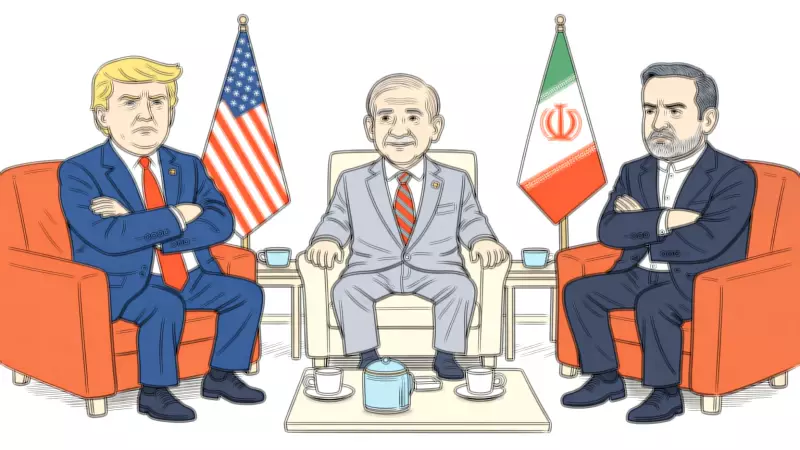
US-Iran Talks in Islamabad: Is Pakistan's Diplomatic Role Genuine or Deceptive?
In a significant diplomatic development, Pakistan recently hosted talks between the United States and Iran in Islamabad, sparking intense scrutiny over the country's role in regional politics. This meeting, which brought together representatives from two long-standing adversaries, has raised critical questions about Pakistan's intentions and its ability to facilitate meaningful dialogue in a volatile geopolitical landscape.
Background and Context of the Islamabad Talks
The talks in Islamabad mark a notable attempt to bridge the deep-seated divide between the US and Iran, nations with a history of strained relations over issues such as nuclear proliferation, sanctions, and regional influence. Pakistan, positioning itself as a neutral mediator, offered its capital as a venue for these discussions, aiming to leverage its strategic location and historical ties with both countries. This move is part of Pakistan's broader effort to enhance its diplomatic profile and assert itself as a key player in South Asian and Middle Eastern affairs.
However, skepticism abounds regarding Pakistan's motives. Critics point to the country's past diplomatic maneuvers, which have sometimes been perceived as insincere or self-serving. For instance, Pakistan has faced accusations of playing a double game in regional conflicts, balancing relationships with global powers while pursuing its own strategic interests. This context casts a shadow over the current talks, with observers questioning whether Pakistan is genuinely committed to fostering peace or merely engaging in superficial diplomacy to gain international favor.

Key Issues and Challenges in the Negotiations
The discussions in Islamabad reportedly focused on several contentious issues, including Iran's nuclear program, US sanctions, and regional security concerns. Both sides have long-standing grievances: the US has imposed stringent sanctions on Iran, citing nuclear ambitions and support for militant groups, while Iran accuses the US of interference and economic warfare. Pakistan's role as a mediator requires navigating these complex disputes, a task complicated by its own geopolitical entanglements.
One major challenge is Pakistan's relationship with Iran, which has been marked by both cooperation and tension. While the two countries share cultural and economic ties, they have also clashed over border security and regional influence. Similarly, Pakistan's alliance with the US has been fraught with ups and downs, influenced by factors such as counterterrorism efforts and Afghanistan policy. These dynamics make Pakistan's position as a neutral broker precarious, raising doubts about its ability to facilitate unbiased and productive talks.
Analysis of Pakistan's Diplomatic Strategy
Pakistan's decision to host US-Iran talks can be seen as part of a calculated diplomatic strategy to bolster its international standing. By positioning itself as a mediator, Pakistan aims to demonstrate its relevance in global affairs and potentially secure economic or political benefits. This approach aligns with its broader foreign policy goals, which include reducing regional isolation and enhancing ties with major powers.
Nevertheless, the effectiveness of this strategy is debatable. Historical precedents suggest that Pakistan's diplomatic initiatives have sometimes fallen short, leading to perceptions of flattery and deception. For example, past mediation efforts in conflicts involving Afghanistan or India have often been viewed with suspicion by international actors. In the current scenario, if the talks fail to yield tangible outcomes, Pakistan risks further eroding its credibility and being labeled as a unreliable partner in diplomacy.
Regional and Global Implications
The outcome of the US-Iran talks in Islamabad could have far-reaching implications for regional stability and global politics. A successful dialogue might ease tensions in the Middle East, reduce the risk of conflict, and open avenues for cooperation on issues like energy security and counterterrorism. Conversely, a breakdown in talks could exacerbate existing rivalries and undermine Pakistan's diplomatic efforts.

From a global perspective, this event highlights the evolving dynamics of international relations, where middle powers like Pakistan are increasingly seeking to shape agendas. It also underscores the challenges of mediation in an era of complex geopolitical alignments. As the world watches, the question remains: Is Pakistan truly committed to fostering peace, or is it once again flattering to deceive in its pursuit of strategic advantage?
In conclusion, the US-Iran talks in Islamabad represent a critical test for Pakistan's diplomatic ambitions. While the initiative offers an opportunity to enhance regional influence, it also exposes the country to scrutiny over its sincerity and effectiveness. Only time will tell whether Pakistan can overcome historical skepticism and emerge as a genuine force for peace in this high-stakes negotiation.





