

US Iran Strategy at a Crossroads: Navigating Diplomatic Stalemate
The United States finds itself in a precarious position regarding its strategy towards Iran, with diplomatic avenues appearing increasingly stalled and limited. As tensions persist, the US appears caught between a series of unattractive choices, each carrying significant risks and uncertainties. This situation underscores the complex geopolitical landscape in the Middle East, where traditional approaches may no longer suffice.
Diplomatic Options Stalled: A Critical Impasse
Recent developments indicate that diplomatic efforts to address issues with Iran have reached a critical impasse. The lack of progress in negotiations and dialogue has left the US with few viable pathways forward. This stalemate is compounded by shifting global dynamics and domestic political pressures, making it challenging to forge a coherent and effective policy.
Key factors contributing to this diplomatic deadlock include:

- Persistent disagreements over nuclear agreements and regional influence.
- Economic sanctions that have yet to yield desired concessions from Iran.
- International divisions that hinder unified action against Iranian activities.
Unattractive Choices: The US Dilemma
With diplomatic options stalled, the US is confronted with a range of unattractive choices. These include escalating military postures, which could lead to broader conflict, or maintaining the status quo, which risks emboldening Iranian actions. Neither option offers a clear path to resolution, highlighting the limitations of current strategies.
Analysis suggests that the US may be leaning towards a cautious approach, avoiding drastic measures while seeking to manage tensions through indirect means. This could involve bolstering alliances in the region or leveraging economic tools, but such efforts are often slow to produce results and may not address core issues.
Uneasy Equilibrium: The Likely Outcome
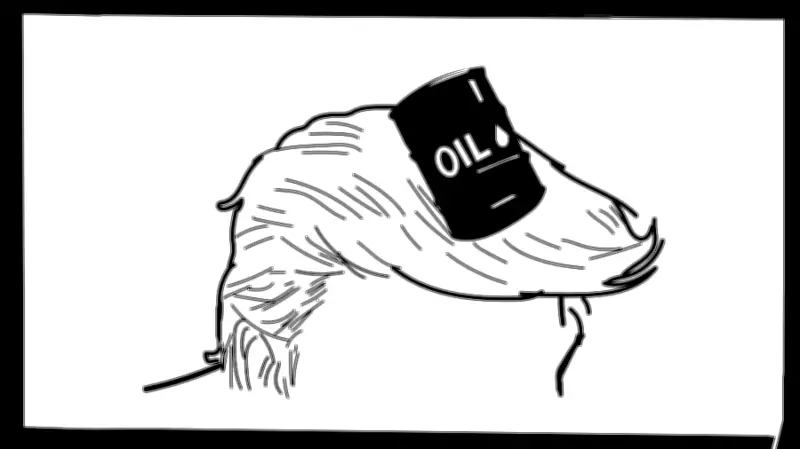
The likely outcome of this situation is not a decisive victory for either side, but rather an uneasy equilibrium characterized by ongoing friction and periodic crises. This state of affairs could have far-reaching implications, particularly for global oil markets, as instability in the Middle East often leads to price volatility and supply concerns.
Potential impacts of this uneasy equilibrium include:
- Increased regional instability affecting neighboring countries and international relations.
- Fluctuations in oil prices that could impact global economies and energy security.
- Ongoing challenges for US foreign policy in balancing deterrence with diplomacy.
In conclusion, the US Iran strategy is at a critical juncture, with diplomatic options stalled and few attractive choices available. The path forward likely involves navigating an uneasy equilibrium, where managing risks and preventing escalation becomes paramount. This analysis underscores the need for innovative approaches and sustained international cooperation to address the complex challenges posed by Iran.






