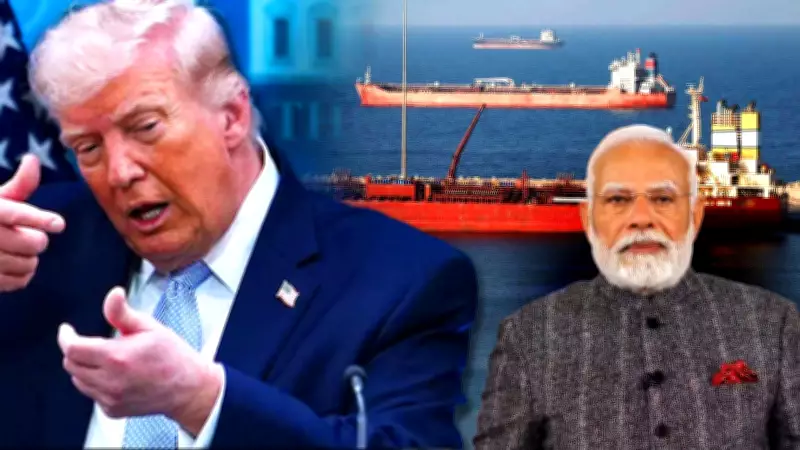
US Naval Blockade on Iran: Why Strait of Hormuz Tensions Could Hit India’s Oil, LPG and Inflation
The United States is preparing to enforce a naval blockade targeting vessels linked to Iran, signalling a sharp escalation after failed diplomatic efforts. While the Strait of Hormuz remains open to neutral transit, even limited disruption has already triggered a spike in global oil prices.
For India, the concern is structural. A large share of its crude oil and LPG imports passes through Hormuz, making it vulnerable to supply delays, rising costs and inflationary pressures. This report explains the global impact and what it means for India.
Global Oil Price Spike and Supply Chain Risks
The announcement of the US naval blockade has immediately impacted global markets, with oil prices rising due to fears of supply constraints. The Strait of Hormuz is a critical chokepoint for maritime trade, handling approximately one-fifth of the world's oil consumption. Any disruption, even if temporary, can lead to significant volatility in energy markets.

Analysts warn that the blockade could extend beyond oil, affecting liquefied petroleum gas (LPG) shipments, which are vital for household and industrial use in many countries. The geopolitical tension adds a layer of uncertainty, prompting nations to reassess their energy security strategies.
India's Vulnerability to Hormuz Disruptions
India imports a substantial portion of its crude oil and LPG through the Strait of Hormuz, making it highly susceptible to any disruptions in this region. Key points include:
- Crude Oil Dependence: Over 60% of India's crude oil imports transit through Hormuz, sourced primarily from Middle Eastern countries like Saudi Arabia and Iraq.
- LPG Supply Chain: India is one of the world's largest importers of LPG, with a significant share coming via Hormuz for domestic cooking and industrial applications.
- Economic Impact: Supply delays or increased freight costs could lead to higher fuel prices, contributing to inflationary pressures and straining the economy.
The Indian government is closely monitoring the situation, with officials emphasizing the need for contingency plans to mitigate potential shortages.
Inflationary Pressures and Broader Economic Concerns
Rising oil and LPG prices directly affect inflation in India, as energy costs permeate various sectors of the economy. Potential consequences include:
- Increased Transportation Costs: Higher fuel prices can raise logistics expenses, impacting goods and services across the supply chain.
- Household Budget Strain: Elevated LPG prices may burden consumers, particularly in rural and low-income households reliant on it for cooking.
- Macroeconomic Stability: Persistent inflation could challenge the Reserve Bank of India's monetary policy, potentially leading to interest rate adjustments that affect growth.
Experts suggest that India may need to diversify its energy import routes or increase strategic reserves to buffer against such geopolitical shocks. The ongoing tensions underscore the interconnectedness of global energy markets and national economies.
Diplomatic and Strategic Implications
The US-Iran standoff has broader diplomatic ramifications, with India navigating complex relationships with both nations. India has historically maintained ties with Iran for energy and regional stability, while also strengthening partnerships with the US. The blockade could force difficult choices in foreign policy, balancing energy needs with international alliances.
In summary, the US naval blockade on Iran poses significant risks to India's energy security and economic stability. As tensions in the Strait of Hormuz escalate, proactive measures and strategic planning will be crucial to safeguard against supply disruptions and inflationary trends.