US Releases Russian Marinera Tanker Crew Amid Sanctions Row; Putin Claims Diplomatic Victory
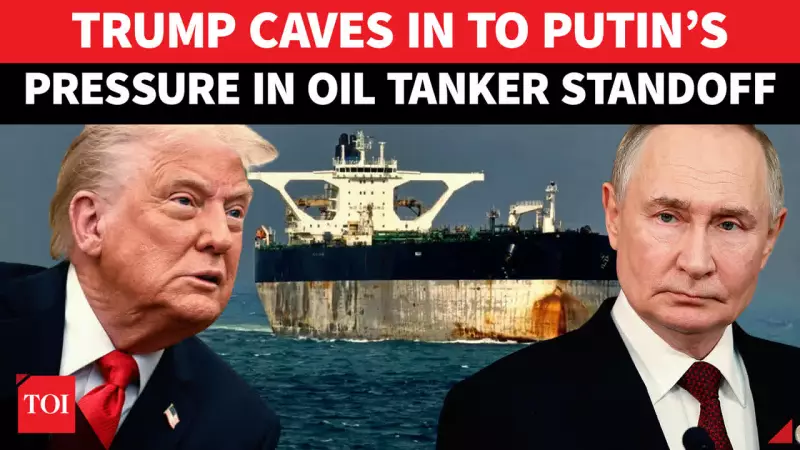
In a significant development in ongoing geopolitical tensions, the United States has released two Russian crew members who were detained following the seizure of the Marinera oil tanker in the North Atlantic. The incident, which occurred in early January 2026, has sparked diplomatic friction between Washington and Moscow, with Russia denouncing the action as unlawful and demanding the sailors' immediate return.
Details of the Marinera Tanker Seizure
The vessel, named Marinera, was intercepted by U.S. forces as part of a broader sanctions campaign targeting shipments linked to Russia, Venezuela, and Iran. According to U.S. officials, the tanker is associated with Russia's so-called "shadow fleet," which is used to transport oil while circumventing international sanctions. The seizure took place in the North Atlantic, highlighting the global reach of U.S. efforts to enforce economic restrictions against these nations.
Russia responded swiftly to the incident, accusing Washington of escalating tensions and violating international maritime laws. The Kremlin demanded the release of the crew and the vessel, framing the seizure as an aggressive act that undermines diplomatic relations. The release of the two Russian sailors marks a partial de-escalation, though the fate of the Marinera tanker itself remains uncertain.
Broader Implications for Russia-US Relations
This event occurs against a backdrop of heightened geopolitical strife, including conflicts in Ukraine and tensions in the Middle East. Analysts suggest that the release of the crew could be seen as a concession by the U.S., potentially indicating a shift in strategy or an attempt to avoid further escalation. However, Moscow has portrayed the move as a victory, asserting that its diplomatic pressure led to the sailors' freedom.
The broader sanctions campaign targeting Russian oil shipments has been a focal point of U.S. foreign policy, aimed at curbing Moscow's revenue from energy exports. The Marinera incident underscores the challenges of enforcing such measures on the high seas, where legal and logistical complexities often arise. It also highlights the risks to crew members caught in the crossfire of international disputes.
Reactions and Future Outlook
Russian officials have welcomed the release but continue to condemn the initial seizure, calling for a full investigation into what they describe as unlawful actions by U.S. forces. In contrast, U.S. authorities maintain that the interception was justified under international sanctions regimes designed to pressure adversarial governments.
Looking ahead, this incident may influence future maritime operations and diplomatic engagements between the two powers. Observers note that while the crew's release reduces immediate tensions, underlying issues related to sanctions and geopolitical rivalry persist. The situation remains fluid, with potential implications for global oil markets and international security dynamics.
In summary, the release of the Russian crew from the Marinera tanker represents a notable episode in the ongoing tug-of-war between the United States and Russia. As both nations navigate complex diplomatic waters, such incidents serve as reminders of the delicate balance between enforcement actions and the need to avoid unintended escalations in an already volatile global landscape.