US Terminates Russian Oil Waiver: Implications for India's Energy Landscape
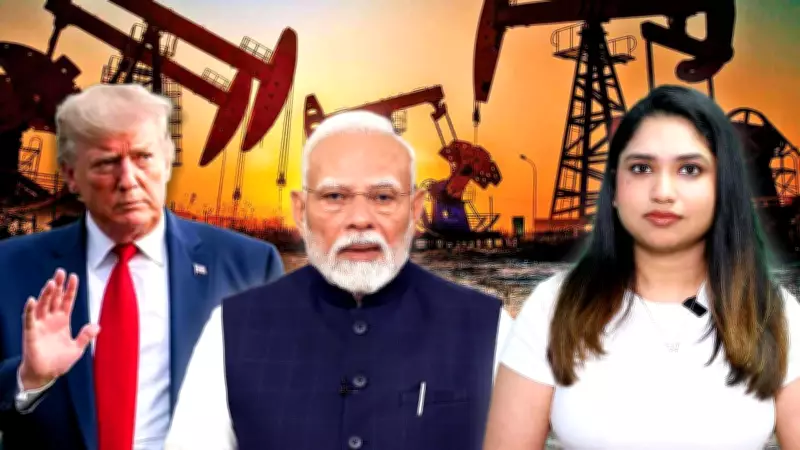
The United States has announced it will not renew a temporary sanctions waiver that previously permitted India to import Russian oil already in transit. This significant policy shift removes a crucial buffer that had enabled India to access discounted crude oil without facing immediate penalties. The decision arrives at a particularly delicate moment, as global energy markets remain volatile due to ongoing conflicts in West Asia.
Impact on India's Energy Procurement and Costs
Russian oil has constituted a substantial portion of India's crude imports in recent years, providing a cost-effective alternative to more expensive Middle Eastern supplies. With this waiver now revoked, India may encounter several immediate challenges:
- Increased Import Costs: The loss of discounted Russian crude could force India to seek alternative sources, potentially at higher prices, thereby increasing the nation's import bill.
- Transaction Complications: Financial and logistical hurdles may arise as Indian refiners navigate sanctions compliance, possibly requiring new payment mechanisms and shipping arrangements.
- Supply Chain Adjustments: India may need to rapidly diversify its oil suppliers, which could involve renegotiating contracts and securing new trade partnerships.
Geopolitical Balancing Act and Strategic Considerations
This development places India in a complex geopolitical position. The country has historically maintained diplomatic relations with both the United States and Russia, balancing energy needs with strategic alliances. The US decision tests this delicate equilibrium, compelling India to reassess its foreign policy and energy security strategies.

Experts suggest that India might accelerate efforts to enhance domestic production and invest in renewable energy sources to reduce dependency on imported oil. Additionally, diplomatic engagements with other oil-producing nations could become more critical to ensure a stable energy supply.
Broader Economic and Political Ramifications
The termination of the waiver could have wider implications for India's economy and international relations:
- Inflationary Pressures: Higher oil prices may contribute to increased inflation, affecting everything from transportation costs to consumer goods.
- Trade Dynamics: India's trade relationships, particularly with the US and Russia, may undergo scrutiny and potential renegotiation.
- Energy Policy Reforms: This situation might prompt the Indian government to implement more robust energy policies focused on sustainability and self-reliance.
As India navigates these challenges, the focus will likely remain on securing affordable energy for its 1.4 billion citizens while maintaining diplomatic flexibility in a polarized global landscape.