US Grants India Temporary Waiver to Purchase Stranded Russian Oil Amid Global Supply Pressures
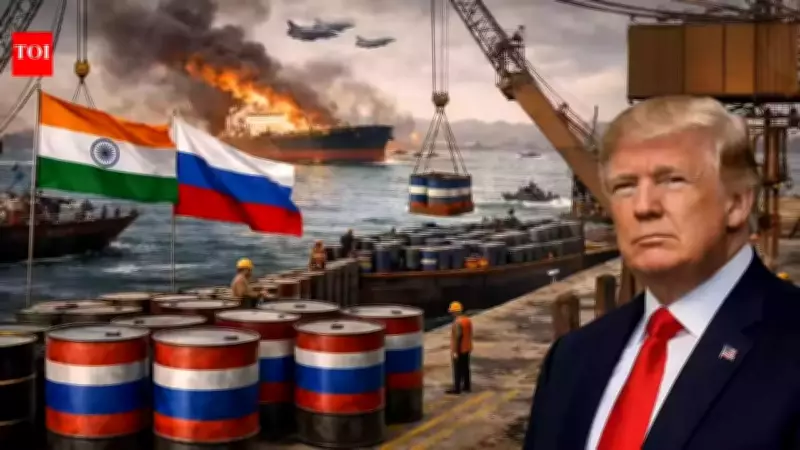
In a significant move to address global oil market disruptions, the United States has granted India a temporary waiver to buy Russian crude oil that is currently stranded at sea. This decision comes as tensions in West Asia, particularly involving Iran and Israel, continue to impact shipping routes and energy supplies worldwide.
Waiver Details and Official Statements
US Treasury Secretary Scott Bessent announced that the Treasury Department has issued a 30-day license allowing India to purchase and receive deliveries of Russian oil and petroleum products. Bessent emphasized that this measure is specifically designed to ease short-term supply constraints during the ongoing regional crisis.
"The world is very well supplied in oil. The Treasury agreed to let our allies in India start buying Russian oil that was already on the water," Bessent stated during an interview with Fox Business. "The Indians had been very good actors. We had asked them to stop buying sanctioned Russian oil this fall. They did. They were going to substitute it with US oil."

Bessent further explained that "to ease the temporary gap of oil around the world, we have given them permission to accept the Russian oil." He noted that this action might lead to further unsanctioning of Russian oil supplies in the future.
Strategic Rationale Behind the Decision
The waiver comes at a critical time when shipping through the strategically vital Strait of Hormuz faces significant disruptions due to escalating conflicts in the region. US Energy Secretary Chris Wright described the measure as a practical solution to quickly move existing oil supplies into global markets.
"We have implemented short term measures to help keep oil prices down," Wright stated in a social media post. "We are allowing our friends in India to take oil that is already on ships, refine it, and move those barrels into the market quickly. A practical way to get supply flowing and ease pressure."
Wright clarified in an interview with ABC News Live that this represents no fundamental change in US policy toward Russia. "This is a very brief change in policy just to keep oil prices down a little bit better than we could otherwise," he emphasized.
India's Oil Supply Position and Historical Context
India currently imports approximately 5.5 to 5.6 million barrels of crude oil daily, which accounts for about 90% of its domestic consumption. Despite regional tensions, officials maintain that the country's energy position remains comfortable.
The current waiver follows months of trade tensions between the US and India over Russian oil imports. Earlier, the Trump administration had imposed 25% punitive tariffs on India for purchasing Russian oil, arguing that such imports were financing Moscow's war against Ukraine. These tariffs were later lifted after both countries agreed on an interim trade framework, with India committing to reduce Russian imports while increasing purchases of American energy.
Before Russia's invasion of Ukraine in 2022, Russian crude accounted for just 0.2% of India's oil imports. However, purchases increased significantly after Moscow began offering substantial discounts. According to data from Kpler:
- India imported slightly over 1 million barrels per day of Russian crude in February
- This compares to 1.1 million bpd in January and 1.2 million bpd in December
Current Oil Logistics and Market Impact
Significant volumes of oil are currently positioned for potential delivery to India:
- Approximately 15 million barrels of crude are on tankers in the Arabian Sea and Bay of Bengal
- Vessels carrying another 7 million barrels are waiting near Singapore
- Additional tankers in the Mediterranean and Suez Canal are heading toward Indian ports and could arrive within a week
Bessent highlighted the scale of stranded oil, noting that "there are hundreds of millions of sanctioned barrels of sanctioned crude on the water." He suggested that by unsanctioning these supplies, the Treasury Department could help create additional market supply.

The Treasury Secretary stressed that this temporary measure would not provide significant financial benefit to the Russian government, as it only authorizes transactions involving oil already stranded at sea. "This deliberately short-term measure will not provide significant financial benefit to the Russian government," Bessent stated.
Broader Geopolitical Context
This development occurs against the backdrop of heightened regional tensions following joint military strikes by the United States and Israel on Iranian targets on February 28. Bessent framed the waiver as part of broader efforts to counter Iran's influence on global energy markets.
"India is an essential partner of the United States, and we fully anticipate that New Delhi will ramp up purchases of US oil," Bessent said. "This stop-gap measure will alleviate pressure caused by Iran's attempt to take global energy hostage."
US officials have indicated they will continue implementing measures to provide relief to oil markets during the ongoing conflict. "We are going to keep a cadence of announcing measures to bring relief to the market during this conflict," Bessent added, suggesting further policy adjustments might follow.