

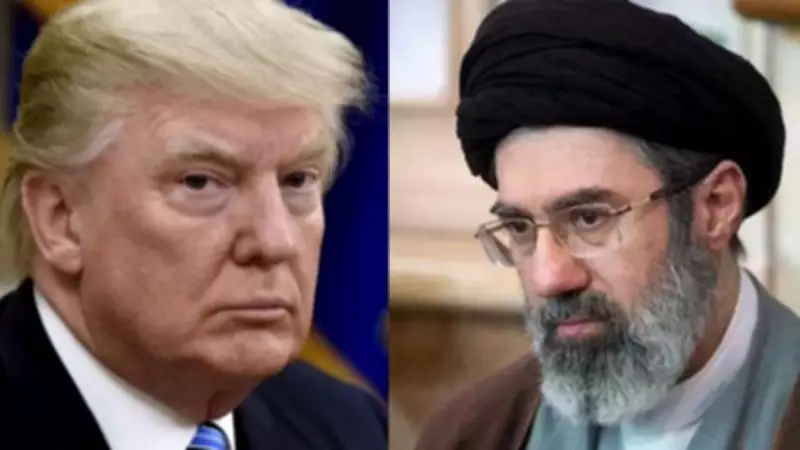
US Unveils 15-Point Proposal to End Iran War Amid Denials of Formal Talks
The United States has reportedly put forward a comprehensive 15-point plan aimed at ending the ongoing war with Iran, even as Iranian officials have firmly denied that any formal negotiations are currently taking place. The conflict, which began on February 28 with coordinated attacks by the US and Israel that resulted in the death of Iran's Supreme Leader Ali Khamenei, has inflicted heavy casualties and significantly disrupted global markets, creating immense pressure for a resolution.
Details of the US Peace Proposal
According to reports from Al Jazeera, the US plan outlines specific concessions and demands designed to facilitate a temporary pause in hostilities while both sides work toward a longer-term settlement. Key elements of the proposal include:
- A 30-day ceasefire to allow for negotiations.
- Dismantling of Iran's nuclear facilities at Natanz, Isfahan, and Fordow.
- A permanent commitment from Iran to refrain from developing nuclear weapons.
- Handover of enriched uranium stockpiles to the International Atomic Energy Agency (IAEA).
- Full IAEA monitoring of Iran's nuclear infrastructure with a ban on domestic uranium enrichment.
- Limits on the range and number of Iran's missile arsenal.
- Ending Iran's support for regional proxy groups.
- Halting Iranian strikes on regional energy infrastructure.
- Reopening of the strategically vital Strait of Hormuz.
- Removal of US sanctions on Iran and termination of the UN snapback mechanism.
- US support for electricity generation at Iran's Bushehr nuclear plant.
Despite these diplomatic efforts, the US is simultaneously preparing for potential escalation, with reports indicating troop deployments to the Middle East, including the 82nd Airborne Division, as a precautionary measure.

Iran's Firm Stance and Demands
Iran has responded to the US proposals by labeling them as excessive and unacceptable. Citing an official via Press TV and Reuters, Iran stated it will not allow the US to dictate the timing or terms for ending the war. Iranian military leadership has ruled out negotiations, especially in light of previous attacks during earlier negotiation phases.
Ebrahim Zolfaqari, an Iranian military spokesperson, emphasized this position on Tuesday, questioning the sincerity of US efforts by saying, "Has the level of your inner struggle reached the stage of you negotiating with yourself? People like us can never get along with people like you; no one like us will make a deal with you. Not now. Not ever."
However, Iran has laid down its own conditions for peace, as articulated by President Masoud Pezeshkian. These include:
- Recognition of Iran's legitimate rights.
- Payment of reparations for damages incurred during the conflict.
- Firm international guarantees against future aggression.
Additionally, Iran is reportedly seeking the lifting of sanctions, the closure of US military bases in the region, and the establishment of a new mechanism to control transit through the Strait of Hormuz, a critical chokepoint for global oil shipments.
Current Status and Global Implications
As of now, there is no official confirmation from the US, Iran, or Israel regarding the specifics of the 15-point plan. The war continues to have far-reaching consequences, including disruptions to services like Amazon Web Services following drone attacks in Bahrain and considerations by Saudi Arabia and the UAE to potentially join the conflict. The situation remains fluid, with diplomatic efforts clashing against a backdrop of military preparedness and regional instability.






