

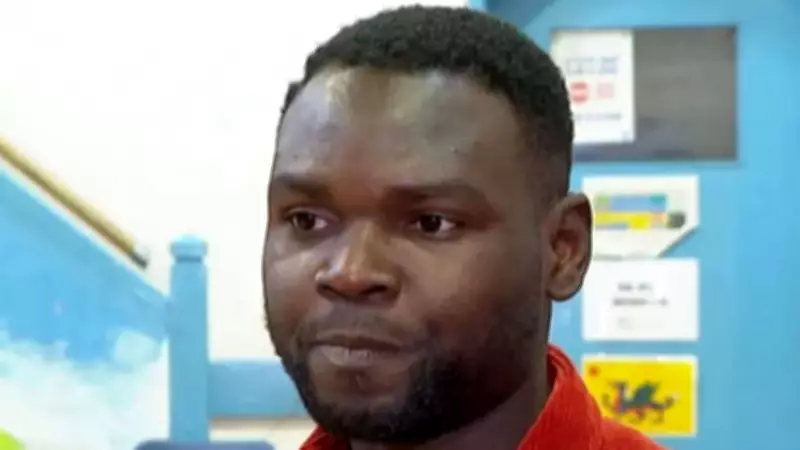
Cameroonian Asylum Seeker Granted UK Refuge as Gay Admits Leaving Wife, Child Behind
In a revealing case that highlights the complexities of immigration and LGBTQ+ asylum claims, a migrant from Cameroon who was granted refugee status in Britain after stating he was homosexual has now admitted he left behind a wife and young child in his home country. Marius Kamna, a 35-year-old originally from Cameroon, first entered the United Kingdom on a temporary visa to attend the United Nations climate change conference in Glasgow.
Instead of participating in environmental discussions, Kamna applied for asylum protection, asserting his homosexuality as the basis for his claim. The British asylum panel accepted his application, granting him refugee status, which allowed him to settle in Wales and secure employment as a heavy goods vehicle mechanic.
Undisclosed Family Ties Surface
However, it has since emerged that Kamna did not disclose his marital status and the existence of his son during the asylum process. He acknowledged that he was aware of his family at the time but chose not to inform the authorities. This revelation raises questions about potential exploitation of the asylum system, where thousands of seekers have based their claims on sexual orientation.

Kamna's case fits a pattern where some individuals might misuse such claims, though he insists his situation is more nuanced. Speaking to the Daily Mail in Cardiff, where he works, Kamna explained that he has "always been gay" and that his marriage in Cameroon was a desperate attempt to escape the pervasive homophobia in his homeland.
Life in a Hostile Environment
Cameroon is notorious for its harsh treatment of the LGBTQ+ community, with widespread discrimination, social stigma, and legal penalties still common. Kamna initially described himself as bisexual but later corrected this, stating, "No, that’s not true, I am gay. That is the way I’ve been since I was 15 or 16." He spent years concealing his true identity due to fear and societal pressure.
His marriage was arranged to regain the respect of his parents, who had disowned him upon discovering his sexuality. "I got chased out of the house by my parents and to earn back their respect a marriage was arranged," Kamna recounted. He admitted to seeking forgiveness and even bribing an official to complete the marriage paperwork.
Despite identifying as gay, Kamna went through with the marriage, which resulted in the birth of his son, Emanuel, now seven years old. Although he has not seen his son since leaving Cameroon, Kamna maintains contact via phone and sends financial support to the child's mother.
Seeking a New Life in Britain
When invited to the Glasgow conference, Kamna saw an opportunity to legally remain in Britain and start afresh, even if it meant abandoning his family. He described arguments with neighbors in his shared accommodation that led to police involvement, prompting his move to a new home in Newport.
Kamna now has a gay partner from Africa and expresses contentment with his life in Britain. "When you come here you have to do everything right because you don’t want to go back," he emphasized, underscoring the precarious nature of his refugee status.
This case sheds light on the intricate challenges faced by asylum seekers navigating systems based on sexual orientation, while also prompting broader discussions about immigration integrity and the realities of LGBTQ+ persecution in countries like Cameroon.






