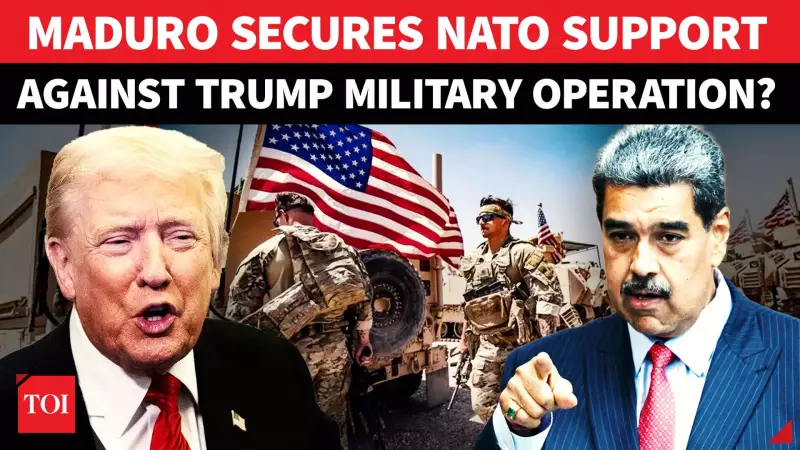
In a significant diplomatic development, Turkish President Recep Tayyip Erdogan and Venezuelan President Nicolas Maduro are forging stronger political and strategic bonds. This move comes at a time of heightened tensions between Caracas and Washington, reshaping the geopolitical landscape surrounding the Venezuelan crisis.
A Strategic Phone Call Amid Escalating Tensions
The leaders held a crucial phone conversation where President Erdogan stressed the importance of maintaining open dialogue between the United States and Venezuela. Both heads of state also explored avenues to expand bilateral cooperation across various sectors. This renewed focus on Ankara-Caracas relations is unfolding against a backdrop of intensifying American pressure on Maduro's government.
Analysts observing the situation point to a compelling possibility: Turkey is emerging as the most probable destination for President Maduro should he be forced into exile. The rationale is clear. Turkey offers a unique combination of security, political protection, and a leader whom Maduro has grown to trust over years of partnership.

Why Turkey Presents a Unique Safe Haven
The relationship between the two nations is not new. It has been cultivated over several years through a booming gold trade, high-level diplomatic visits, and mutual strategic interests. This longstanding partnership now positions Turkey uniquely to influence how the ongoing crisis in Venezuela develops.
For Maduro, the appeal of Turkey is multifaceted. Unlike other potential allies, Ankara, under Erdogan's leadership, has demonstrated a willingness to engage with states that are at odds with Western powers. This provides Maduro with a level of political cover that might be unavailable elsewhere. Furthermore, Turkey's geopolitical stance and military capabilities offer a tangible promise of security.
Broader Implications and Future Scenarios
The deepening Turkey-Venezuela axis signals a potential shift in how international players are maneuvering around the Venezuelan issue. It underscores Maduro's efforts to secure powerful allies beyond the traditional support from Russia and China. For the United States, this development complicates its strategy towards Caracas, introducing a NATO member country as a key interlocutor and potential sanctuary.
The timing of this diplomatic warming is critical. As reports suggest, the explicit discussion of exile options indicates that contingency planning is actively underway. The partnership, built on years of economic and political exchanges, may now be entering its most decisive phase, directly impacting the future of Venezuela's leadership and its international relations.