Trump's Strategic Energy Goals: A Geopolitical Play Against Iran
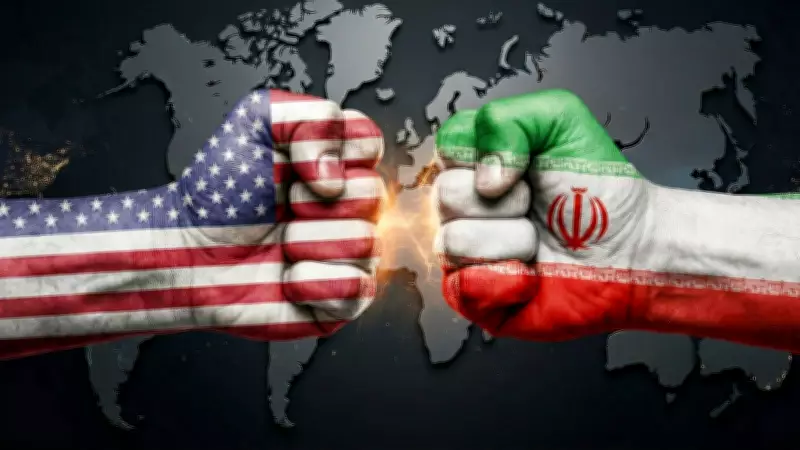
Former US President Donald Trump's policies towards Iran have been widely analyzed as part of a broader geopolitical strategy. According to experts, his real goals extend beyond mere sanctions or diplomatic pressure. Instead, they aim to strategically target Iran's energy sector to achieve significant geopolitical advantages, particularly by hobbling rivals like China and Russia. This approach reflects a calculated move to reshape global energy dynamics and assert American influence in key regions.
Geopolitical Implications for China and Russia
Iran holds substantial energy resources, including vast oil and natural gas reserves, making it a critical player in global markets. By imposing stringent sanctions and restrictions on Iran's energy exports, Trump's administration sought to limit Tehran's ability to trade with major economies. This move directly impacts China and Russia, both of which have invested heavily in Iranian energy projects. China, as one of the largest importers of Iranian oil, faces potential disruptions to its energy supply chains, while Russia's efforts to expand its influence in the Middle East could be curtailed.
The strategy is not merely about economic pressure but about creating geopolitical leverage. By constraining Iran's energy sector, the US aims to reduce the economic and strategic options available to Beijing and Moscow. This could force these nations to seek alternative, often more costly, energy sources, thereby straining their economies and limiting their global ambitions. However, such shifts are rarely smooth, as they involve complex international relations and potential retaliatory measures.

Challenges and Turbulence in Implementation
Big geopolitical shifts, like those envisioned by Trump's policies, often encounter significant obstacles. The global energy market is interconnected, and actions against Iran can have ripple effects worldwide. For instance, reduced Iranian oil exports can lead to higher global oil prices, affecting economies beyond China and Russia. Additionally, Iran has sought to bypass sanctions through partnerships with other countries, such as through barter deals or using alternative currencies, complicating US efforts.
Moreover, the geopolitical landscape is dynamic, with nations adapting to new realities. China and Russia have been exploring ways to mitigate the impact, such as increasing energy cooperation with other producers or developing domestic resources. This resilience highlights the challenges in achieving long-term geopolitical goals through unilateral actions. The situation underscores that while Trump's aims are clear, their execution is fraught with uncertainties and potential backlash.
Long-Term Strategic Goals
Trump's focus on Iran's energy sector is part of a larger strategy to reassert US dominance in global affairs. By targeting key adversaries through economic means, the US aims to weaken their positions without direct military confrontation. This approach aligns with broader foreign policy objectives to maintain American hegemony and counter rising powers. However, experts caution that such strategies require careful balancing, as they can lead to unintended consequences, such as increased tensions or alliances among rival nations.
In summary, Trump's real goals in targeting Iran's energy are deeply geopolitical, aimed at hobbling China and Russia by limiting their access to vital resources. While this strategy has the potential to shift global power dynamics, history shows that big changes rarely happen smoothly. The ongoing complexities in international relations and energy markets suggest that achieving these goals will require nuanced and persistent efforts, with outcomes that may evolve over time.