

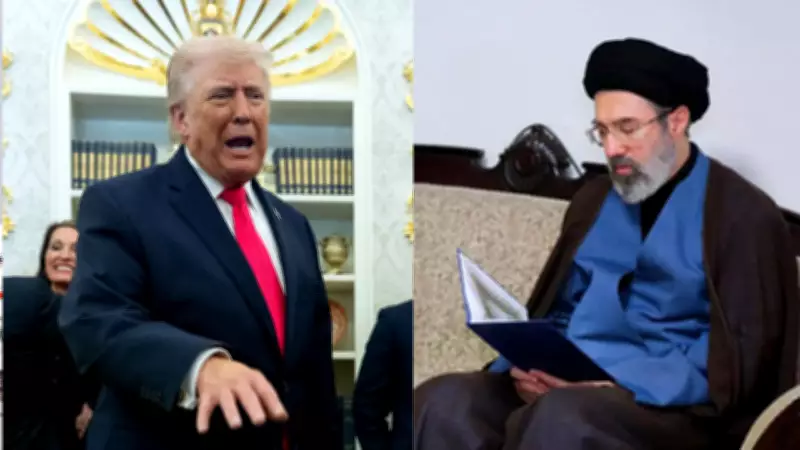
Trump Proposes Comprehensive 15-Point Peace Plan to Iran Through Pakistani Mediation
In a significant diplomatic maneuver, US President Donald Trump has transmitted a 15-point proposal to Iran aimed at de-escalating the ongoing Middle East conflict, which has now entered its fourth week. According to a New York Times report citing informed officials, the plan was conveyed through Pakistan and emphasizes that any resolution "all starts with, they cannot have a nuclear weapon," highlighting Washington's renewed push for dialogue amidst continuing military operations.
Key Components of the Trump Administration's Proposal
The comprehensive proposal outlines several critical issues, primarily focusing on Iran's ballistic missile and nuclear programs. Washington is reportedly seeking an "offramp" from a war that has expanded to involve multiple nations since it began on February 28. Israeli Channel 12 reported that Trump is advocating for a one-month ceasefire, during which parties would negotiate terms including the transfer of Iran's enriched uranium and a permanent ban on further enrichment activities.
Additionally, the plan addresses maritime security concerns, particularly regarding the Strait of Hormuz. Since the conflict's inception, Iran has effectively restricted Western shipping through this crucial waterway, disrupting global oil and gas supplies and causing significant price increases. The proposal includes provisions for Iran to ensure safe passage through the strait, which is vital for international trade.

Incentives and Conditions for Iranian Compliance
As reported by AFP via Israeli sources, adherence to the peace plan would result in the lifting of all sanctions against Iran, which have been imposed in various forms over many years. In return, Iran would receive assistance in developing civil nuclear energy at the Bushehr facility, a key site that predates the 1979 Islamic Revolution. This dual approach of sanctions relief and energy cooperation aims to create a viable pathway for Iranian engagement.
However, significant uncertainties remain. It is unclear how widely the proposal has been circulated within Iran's leadership or whether Tehran is prepared to negotiate based on these terms. Furthermore, there is no definitive indication of Israel's support for this diplomatic initiative, adding complexity to the potential for a breakthrough.
Diplomatic Efforts Amid Unabated Hostilities
Despite this diplomatic outreach, military confrontations show no immediate signs of subsiding. Israeli officials have suggested that operations could persist for several more weeks. White House Press Secretary Karoline Leavitt acknowledged these parallel efforts, stating, "As President Trump and his negotiators explore this newfound possibility of diplomacy, Operation Epic Fury continues unabated to achieve the military objectives laid out by the commander in chief and the Pentagon."
Pakistan, under Army Chief Field Marshal Asim Munir, has positioned itself as a potential intermediary, leveraging reported connections with Iran's Islamic Revolutionary Guards Corps to facilitate communication. Munir has contacted Iranian Parliament Speaker Mohammad Bagher Ghalibaf, proposing that Pakistan host talks between the conflicting parties. Supporting this initiative, Pakistani Prime Minister Shehbaz Sharif expressed his country's readiness to host "meaningful and conclusive talks for a comprehensive settlement of the ongoing conflict," pending agreement from the US and Iran.
Challenges and Strategic Implications
Iran's capacity to respond promptly is hampered by communication difficulties and security apprehensions among senior officials, who fear targeted strikes if they assemble in person. Early in the conflict, Israeli attacks resulted in the deaths of several top Iranian leaders, including Supreme Leader Ayatollah Ali Khamenei, creating ambiguity over decision-making authority in Tehran.
While the US and Israel have targeted Iran's missile infrastructure and nuclear facilities, Iran continues to launch strikes against Israel and neighboring countries. It is also believed to maintain substantial stockpiles of highly enriched uranium, underscoring the urgency of diplomatic resolution.

This latest diplomatic push suggests that Washington may be open, at least temporarily, to allowing Iran's current regime to persist in a weakened state, even as earlier stances on regime change appeared inconsistent. The involvement of other nations like Egypt and Turkey, who are encouraging Tehran to engage constructively, further illustrates the international dimension of these efforts.
The proposal represents a critical juncture in the conflict, balancing military pressure with diplomatic overtures. As the situation evolves, the global community watches closely, hoping for a peaceful resolution that stabilizes the region and addresses core security concerns.





