

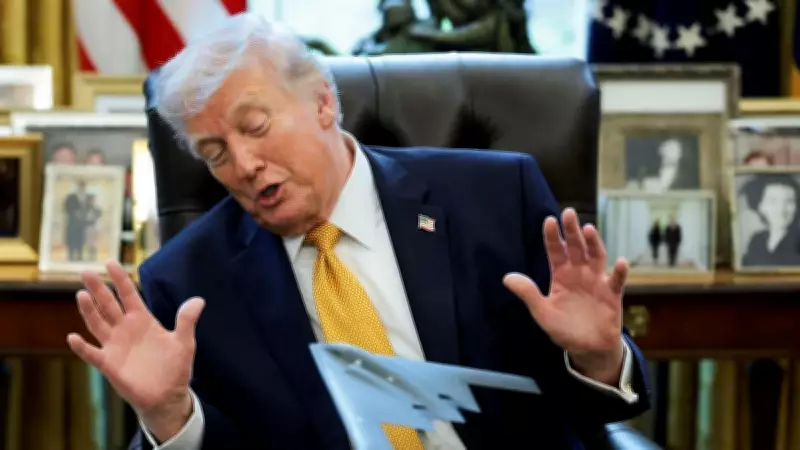
Trump Condemns NATO's Position on Iran as a 'Very Foolish Mistake'
In a recent statement, former United States President Donald Trump has sharply criticized the North Atlantic Treaty Organization (NATO) for its stance on Iran, calling it a "very foolish mistake." This remark highlights ongoing tensions in international diplomacy, particularly concerning security issues in West Asia.
Trump's Comments on NATO's Refusal to Assist
Trump expressed his disapproval of NATO's decision not to provide support in matters related to Iran. He emphasized that this move by the alliance is misguided and could have significant repercussions for global stability. The former president's comments come amid heightened concerns over regional conflicts and the strategic importance of areas like the Strait of Hormuz.
No Immediate Plans for Retaliation Against Allies
When questioned about potential retaliation against NATO allies for their reluctance to engage, Trump clarified that he has "nothing currently in mind." This statement suggests that, while critical, he is not advocating for immediate punitive actions. However, it underscores the complex dynamics within international alliances and the challenges in coordinating responses to security threats.

Context and Implications
The backdrop of Trump's remarks includes ongoing geopolitical tensions involving Iran, Israel, and other nations in West Asia. NATO's role in such conflicts is often scrutinized, and Trump's criticism adds to the debate over the alliance's effectiveness and strategic decisions. His comments may influence future discussions on NATO's policies and its relationship with member states, particularly the United States.
As reported by Reuters on March 17, 2026, at 20:49 IST, this development underscores the evolving nature of international relations and the impact of key political figures like Trump on global discourse. The situation remains fluid, with potential implications for diplomacy and security in the region.






