

Trump Deploys 'Big Armada' to Iran, Claims Tehran Wants Deal Amid Tensions
US President Donald Trump declared on Monday that the situation with Iran remains "in flux", revealing he has dispatched a "big armada" to the region. Despite the military buildup, Trump expressed his belief that Tehran genuinely desires to strike a diplomatic agreement, adding a layer of complexity to the ongoing geopolitical standoff.
Military Buildup and Diplomatic Overtures
White House officials confirmed that an attack on Iran remains a viable option, following Trump's near-decision earlier this month to order strikes in response to the regime's suppression of protests, which resulted in thousands of casualties. Instead of immediate action, Trump opted to delay the decision while simultaneously reinforcing military assets in the area, even as the protests were largely quelled.
According to reports, Trump has not finalized his strategy and likely engaged in further consultations this week, reviewing additional military options presented by his national security team. These options were bolstered by the arrival of the USS Abraham Lincoln aircraft carrier strike group, which entered the US Central Command's (CENTCOM) area of responsibility on Monday.

Trump's Statements and Strategic Ambiguity
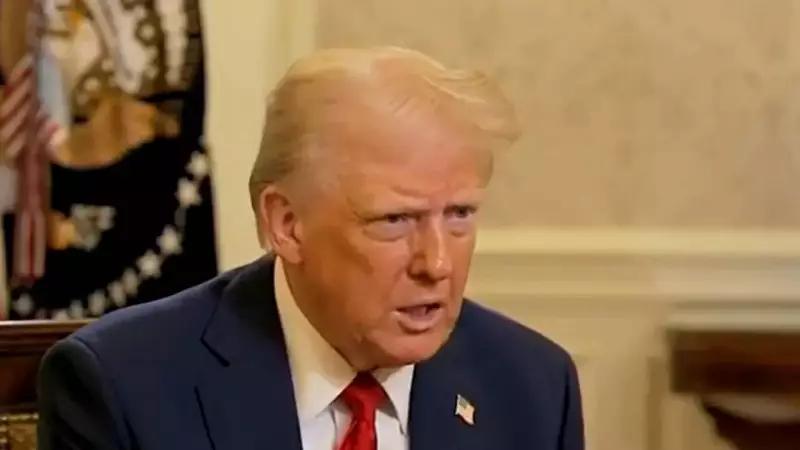
In an interview, Trump highlighted his decision to deploy the Lincoln, boasting, "We have a big armada next to Iran. Bigger than Venezuela." He refrained from discussing the specific options or his preferences but emphasized that diplomacy remains on the table, stating, "They want to make a deal. I know so. They called on numerous occasions. They want to talk."
Within Trump's circle, opinions are divided. Some hawkish advisors urged him to enforce his red line after he pledged support for protesters and punishment for the regime. Others questioned the efficacy of bombing Tehran, favoring instead to leverage the regime's perceived weakness to negotiate a favorable deal.
Terms for a Potential Deal and Iranian Response
US officials outlined stringent conditions for any potential agreement with Iran, including:
- Removal of all enriched uranium from Iran
- A cap on Iran's stockpile of long-range missiles
- A change in Iran's policy of supporting regional proxies
- A ban on independent uranium enrichment within the country
Iranian representatives indicated a willingness to engage in talks but did not signal acceptance of these terms, setting the stage for protracted negotiations.
Historical Context and Nuclear Concerns
Trump referenced the 12-day war last June, claiming that Iran's "big force of missiles" could have launched a devastating surprise attack on Israel. He asserted that by authorizing Israel to strike first, he averted this scenario, noting, "They would have attacked...but that first day [of the war] was brutal for them. They lost their leaders and many of their missiles."
He further warned, "If there was a different president Iran would have the nukes, and they would have attacked first." Prior to the conflict, US and Israeli intelligence estimated that Iran could enrich enough weapons-grade uranium in two weeks and produce a crude nuclear device within four to six months if it pursued a sprint for nuclear weapons. Although Iranian nuclear facilities suffered significant damage from US and Israeli strikes, the status of its uranium stockpile remains unclear.
Enhanced Military Preparedness
The US military is on high alert, anticipating potential orders from Trump. In addition to the USS Abraham Lincoln, the deployment includes:
- More F-15 and F-35 fighter jets
- Additional refueling tankers
- Extra air defense systems in the region
Sources revealed that CENTCOM commander Admiral Brad Cooper visited Israel on Saturday to coordinate military plans and potential joint defensive efforts against a possible Iranian attack on Israel, underscoring the heightened state of readiness.
As tensions simmer, the interplay between military posturing and diplomatic overtures continues to define the volatile US-Iran relationship, with global implications for Middle East stability.






