Trump Administration Reverses Russian Oil Sanctions Waiver Decision Within 48 Hours
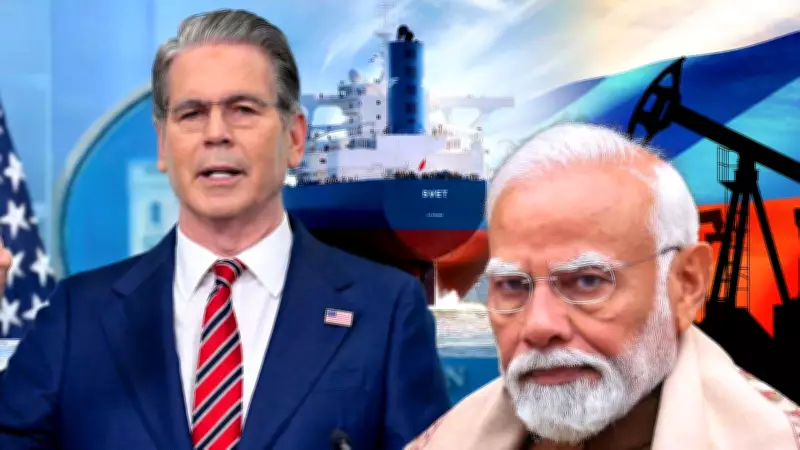
In a dramatic policy shift, the United States government has reversed its stance on Russian oil sanctions, issuing a fresh waiver just days after indicating it would be terminated. This move provides countries like India with a renewed window to purchase Russian crude without facing penalties, at least for another month.
Timeline and Details of the Sanctions Waiver
The waiver applies specifically to oil loaded before April 17, 2026, and remains valid until May 16, 2026. It's important to note that this exemption excludes Iranian oil supplies, maintaining separate sanctions on that front. The decision comes despite earlier signals from Washington that the purchasing window would close, creating uncertainty in global energy markets.
Significance for India's Energy Strategy
For India, this development carries substantial implications. Affordable Russian oil has played a crucial role in helping the country manage energy costs and maintain supply stability during periods of global uncertainty. Indian refiners had previously adapted to earlier sanctions but quickly resumed purchases when the initial waiver was introduced.

The extension now reinforces India's consistent approach of prioritizing energy security above shifting geopolitical signals. This policy allows the nation to secure vital resources for its 1.4 billion citizens while navigating complex international relationships.
Broader Geopolitical Context
The U.S. decision reflects a delicate balancing act between maintaining strategic pressure on Russia and the practical need to stabilize global oil markets. This reversal within 48 hours demonstrates the fluid nature of international energy diplomacy and the competing priorities that influence such decisions.
Several factors contribute to this complex situation:
- The need to prevent oil price spikes that could harm the global economy
- Strategic considerations regarding relationships with key partners like India
- Ongoing efforts to limit Russia's revenue from energy exports
- The practical reality of existing supply chains and market dependencies
Market Reactions and Future Implications
Energy markets are likely to respond to this policy reversal with cautious optimism, as it provides temporary certainty for established trading patterns. However, the short duration of the extension—just one month—means that uncertainty will persist regarding long-term arrangements.
This development highlights several important trends in global energy politics:
- The increasing complexity of sanctions regimes and their implementation
- The growing importance of energy security in national strategic planning
- The challenges of coordinating international policy on sensitive economic matters
- The evolving relationship between major powers in the energy sector
As the May 16 deadline approaches, all eyes will be on whether this temporary arrangement becomes more permanent or if further policy shifts emerge from Washington.