

Trump Reportedly Rejects Netanyahu's Proposal for Joint Call to Iranian Protesters
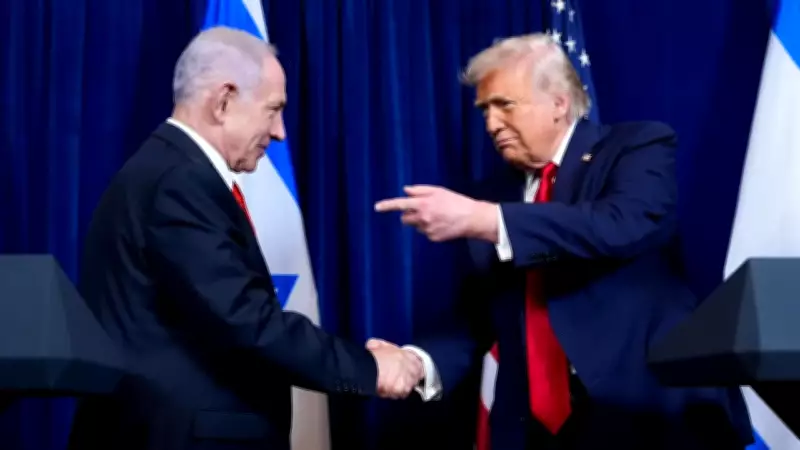
Israeli Prime Minister Benjamin Netanyahu proposed last week that he and US President Donald Trump issue a public call for Iranians to take to the streets against their government, but Trump rejected the idea, citing the high risk to civilian casualties. This exchange, reported by Axios citing two US officials and an Israeli source, reveals a significant divergence in strategy between the two allies despite shared military objectives in the ongoing conflict.
Differing Views on Regime Change and Civilian Safety
According to a US official briefed on the conversation, Trump told Netanyahu, "Why the hell should we tell people to take to the streets when they'll just get mowed down." This stark response underscores Trump's caution against actions that could escalate violence against civilians. Netanyahu, on the other hand, has consistently listed fostering a popular uprising among the Iranian population as a core objective in the conflict.
US officials explained to Axios that Trump views regime change in Iran more as a "bonus" rather than a primary goal. Although he suggested early in the war that Iranians might have an opportunity to overthrow their government following US combat operations, he has rarely reiterated that position since. In contrast, Israeli strategy appears more focused on actively destabilizing the Iranian regime from within.

Background of Recent Israeli Strikes and Strategic Calculations
The disagreement occurred shortly after Israel conducted targeted strikes that eliminated key Iranian figures:
- Ali Larijani, Iran's national security chief
- Gholamreza Soleimani, head of the Basij militia responsible for suppressing protests
- Several deputies of these officials
Israeli officials stated that Soleimani's elimination was specifically intended to create conditions favorable for a popular uprising, as he had been tasked with crushing dissent. During their call, Netanyahu argued that the Iranian regime was in disarray and presented a window of opportunity to further destabilize it through coordinated encouragement of public protests.
Trump countered by warning that such a call would likely result in mass casualties, recalling that thousands of protesters had been killed even before the current conflict escalated. He emphasized the humanitarian risks of openly inciting civil unrest in a regime known for violent suppression.
Aftermath and Continued Strategic Divergence
Despite Trump's caution, Netanyahu later addressed the Iranian people publicly, urging them to "celebrate the Festival of Fire" while Israeli airstrikes targeted key locations. However, very few Iranians reportedly took to the streets, which both US and Israeli officials attributed to widespread fear of regime reprisals.
Israel's ambassador to Washington, Yechiel Leiter, told Axios that Israel's strategy remains focused on degrading the regime's ability to suppress opposition, thereby allowing Iranians to "take charge of their own lives." Meanwhile, Trump continues to pursue diplomatic options that might leave parts of the current regime intact, reflecting a more measured approach to political change in Iran.
Israeli officials indicate that Netanyahu remains skeptical about reaching an acceptable diplomatic deal in the near future. This fundamental disagreement on how to approach regime change—whether through direct encouragement of uprising or through more gradual military and diplomatic pressure—continues to shape the US-Israel alliance's response to the Iranian conflict.






