Trump's Remarks on Mojtaba Khamenei Stir Debate Over Iran's Leadership Future
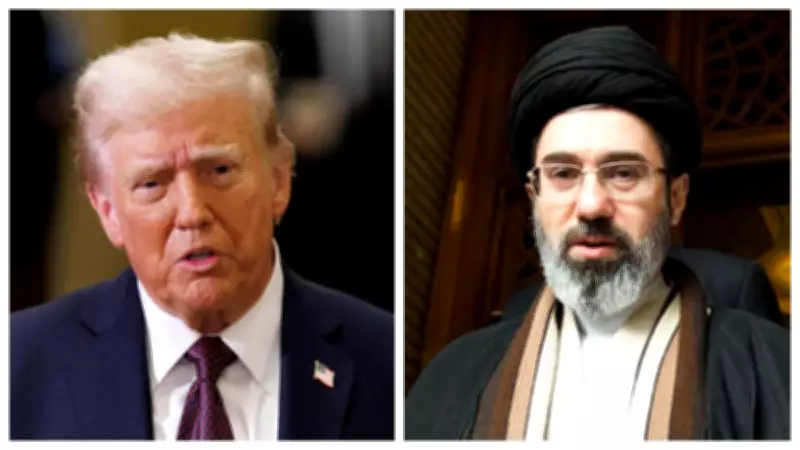
Former United States President Donald Trump has made a notable public statement regarding Mojtaba Khamenei, the son of Iran's current Supreme Leader Ayatollah Ali Khamenei, asserting that he is "damaged but probably alive." This comment, delivered in March 2026, has ignited widespread speculation and analysis about the potential succession plans within Iran's highest echelons of power. Trump's remarks come at a time of heightened geopolitical tensions and internal political maneuvering in Iran, raising questions about the stability and direction of the nation's leadership.
Context and Implications of Trump's Assertion
Mojtaba Khamenei, often viewed as a key figure in Iran's political and religious circles, has long been considered a possible successor to his father, who has held the position of Supreme Leader since 1989. Trump's characterization of him as "damaged" suggests perceived vulnerabilities or challenges, possibly related to health, political standing, or external pressures. However, the qualifier "probably alive" indicates uncertainty, hinting at rumors or unverified reports that have circulated in international media and intelligence communities.
This statement from Trump, known for his direct and often controversial foreign policy approach during his presidency, adds a new layer to the ongoing discourse on Iran's future. Analysts point out that such comments could influence diplomatic relations, as they may be interpreted as interference in Iran's internal affairs or as a strategic move to shape perceptions ahead of potential leadership transitions.

Broader Geopolitical and Domestic Ramifications
The speculation surrounding Mojtaba Khamenei's status is not occurring in a vacuum. Iran faces significant challenges, including economic sanctions, regional conflicts, and domestic unrest, which could impact succession dynamics. Trump's remarks might be aimed at highlighting these pressures or testing reactions from Iranian authorities and global stakeholders.
Key points to consider include:- The role of Mojtaba Khamenei in Iran's political hierarchy and his influence over key institutions.
- How Trump's comments align with broader US policy towards Iran, which has historically been marked by tension and negotiation.
- The potential for these statements to affect Iran's internal power struggles and its relations with other countries in the Middle East and beyond.
Furthermore, the timing of this development in 2026 suggests it is part of a longer-term narrative about leadership changes in Iran, a country where the Supreme Leader wields immense authority over political, military, and religious matters. Observers are closely monitoring any signs of official response from Tehran, which has yet to publicly address Trump's claims in detail.
Analysis and Future Outlook
While Trump's assertion lacks concrete evidence and should be viewed with caution, it underscores the high stakes involved in Iran's leadership succession. The phrase "damaged but probably alive" could reflect intelligence assessments, political posturing, or mere speculation, but it undoubtedly fuels debates about stability and continuity in a nation critical to global affairs.