

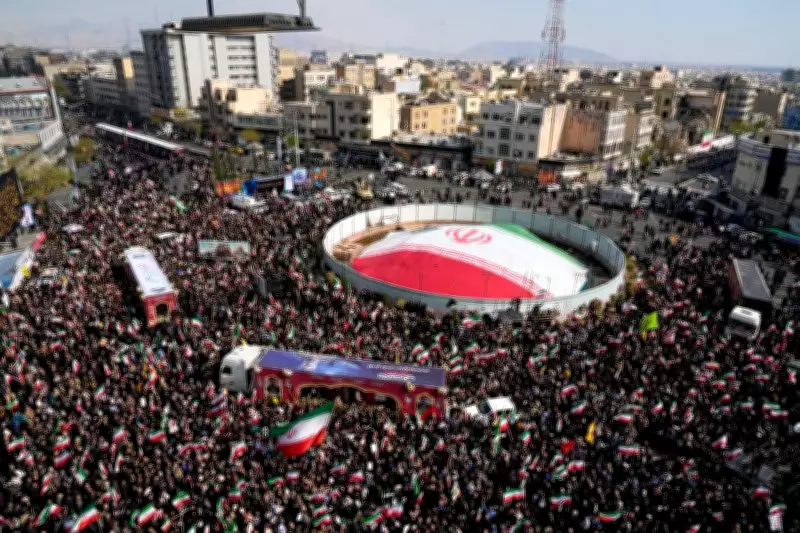
Trump Asserts Iran's New Government Seeks Ceasefire, Tehran Rejects Dialogue
In a recent statement, former US President Donald Trump claimed that Iran's new political regime is adopting a less radical stance and is actively seeking a truce with the United States. This assertion comes amid ongoing tensions between the two nations, which have been marked by diplomatic standoffs and regional conflicts over the years.
Trump's Perspective on Iran's Shift
Trump emphasized that the current Iranian leadership, compared to its predecessors, appears more moderate and open to negotiations. He suggested that this change in approach could pave the way for a potential ceasefire, reducing hostilities in the Middle East. However, he did not provide specific details or evidence to support this claim, leaving analysts to speculate on the veracity of his statements.
Iran's Firm Rejection of Talks
In response to Trump's remarks, Iranian officials have categorically dismissed the possibility of engaging in talks with the US. They cited a deep-seated lack of faith in American intentions, pointing to past instances where diplomatic efforts have faltered or led to unfavorable outcomes for Iran. The Iranian government reiterated its commitment to defending its sovereignty and regional interests without external interference.

Key Points from the Exchange:
- Trump believes Iran's new regime is less radical and wants a truce.
- Iran rejects talks, citing no trust in US policies.
- Tensions persist due to historical conflicts and current geopolitical dynamics.
Background of US-Iran Relations
The relationship between the United States and Iran has been fraught with challenges, including sanctions, nuclear deal disputes, and proxy wars in the region. Trump's presidency saw heightened tensions, with the US withdrawing from the Iran nuclear deal and imposing strict economic sanctions. Iran, in turn, has accused the US of undermining its economy and destabilizing the Middle East.
Analysts note that while Trump's comments may signal a desire for de-escalation, Iran's skepticism is rooted in decades of mistrust. The situation remains volatile, with both sides holding firm to their positions.
Implications for Regional Stability
If Iran were to pursue a truce as Trump suggests, it could potentially ease tensions in the Middle East, affecting conflicts in Syria, Yemen, and other areas. However, Iran's refusal to engage in talks indicates that significant hurdles remain. The international community is closely monitoring these developments, as any shift in US-Iran relations could have far-reaching consequences for global security and diplomacy.
In summary, while Trump portrays Iran's new regime as seeking peace, Tehran's outright rejection of dialogue underscores the deep divisions that continue to define this geopolitical rivalry. The path to reconciliation appears uncertain, with both nations entrenched in their respective stances.






