

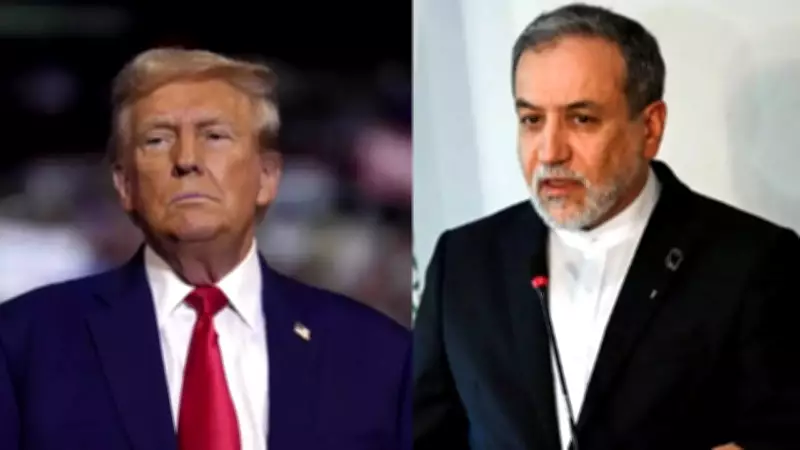
In a significant development in international diplomacy, US President Donald Trump announced on Friday that Iran is prepared to engage in negotiations to prevent potential American military action. Speaking to reporters at the White House, Trump expressed optimism about reaching a deal, stating, "They do want to make a deal." He further revealed that he has established a deadline for Iran to enter talks, though he did not disclose specific details about this timeline.
Trump's Statements on Potential Deal
During his remarks, Trump highlighted the ongoing tensions, referring to the deployment of a US naval carrier group near Iran as a backdrop to the discussions. He remarked, "Hopefully we’ll make a deal. If we don’t make a deal, we’ll see what happens," underscoring the high stakes involved in the diplomatic efforts. This comes amid repeated warnings from the Trump administration about possible military action if Iran fails to comply with US demands, which include stringent limits on its nuclear program and missile capabilities.
Iran's Firm Response to US Demands
In contrast to Trump's assertions, Iran's foreign minister, Abbas Araghchi, issued a clear and firm response from Tehran. He stated that Iran is "ready to begin negotiations if they take place on an equal footing, based on mutual interests and mutual respect." However, Araghchi emphasized a critical condition, adding, "I want to state firmly that Iran's defensive and missile capabilities will never be subject to negotiation." He also clarified that no plans are currently in place for meetings with US officials to resume talks, reinforcing Iran's stance against negotiating under threats.

Escalating Tensions and Regional Implications
The exchange between the two nations highlights the escalating tensions in the region, with Iran vowing to retaliate against any US strike. This situation has drawn international attention, with Turkey offering to mediate between the sides in an effort to de-escalate the conflict. The ongoing dispute centers on key issues such as Iran's nuclear ambitions and missile development, which have been points of contention since the collapse of the previous nuclear deal.
Global Reactions and Future Prospects
As the world watches closely, the potential for either a diplomatic breakthrough or further military escalation remains uncertain. The statements from both leaders reflect deep-seated disagreements and the complex dynamics of US-Iran relations. Analysts suggest that the outcome of these negotiations could have far-reaching implications for regional stability and global security, making it a critical issue in current international affairs.






