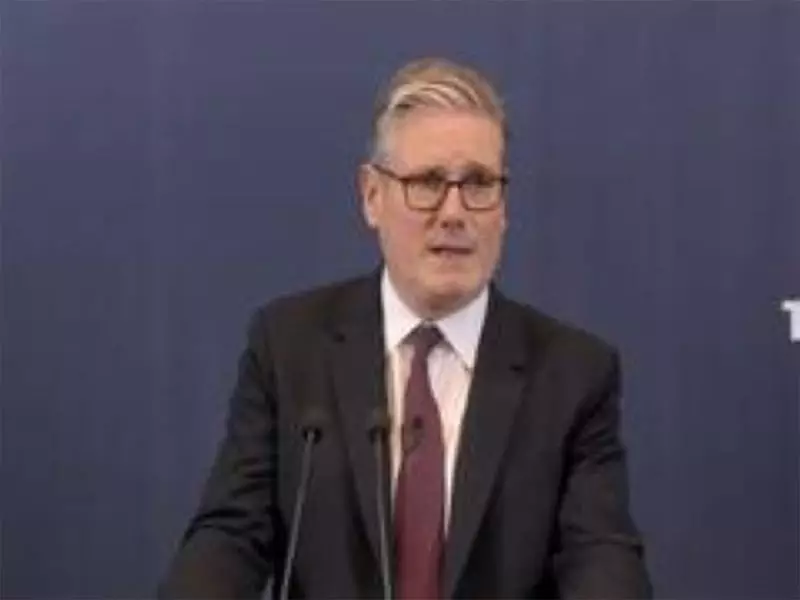
UK Prime Minister Keir Starmer Embarks on Pivotal China Visit
In a significant diplomatic move, British Prime Minister Keir Starmer has commenced an official visit to China, signaling a strategic effort to recalibrate the United Kingdom's relationship with Beijing. This high-stakes trip comes at a delicate juncture, as the UK seeks to navigate its foreign policy amidst ongoing tensions between China and its key ally, the United States.
A Strategic Reset in UK-China Relations
The visit underscores the Labour government's intent to forge a more stable and pragmatic engagement with China, moving beyond the often adversarial posture of recent years. Prime Minister Starmer is expected to engage in comprehensive discussions with Chinese leaders, focusing on areas of mutual interest while addressing points of contention. This diplomatic reset aims to balance economic cooperation with concerns over human rights, security, and regional stability.
Key objectives of the visit include:

- Enhancing bilateral trade and investment flows between the UK and China.
- Discussing collaborative efforts on global challenges such as climate change and public health.
- Addressing geopolitical issues, including tensions in the South China Sea and Taiwan.
- Exploring avenues for cultural and educational exchanges to foster mutual understanding.
Navigating the Complex US-China Dynamic
A critical backdrop to Starmer's visit is the strained relationship between China and the United States, which has posed challenges for UK foreign policy. The UK, as a close ally of the US, must carefully manage its ties with China without undermining transatlantic solidarity. This balancing act requires diplomatic finesse, as the UK aims to assert its independent foreign policy while maintaining strong alliances.
Analysts suggest that Starmer's approach may involve:
- Advocating for a rules-based international order that respects sovereignty and human rights.
- Promoting dialogue and de-escalation in US-China tensions to prevent global instability.
- Leveraging the UK's historical diplomatic channels to mediate where possible.
Implications for Global Diplomacy and Trade
Starmer's China visit has broader implications for global diplomacy and trade dynamics. A successful reset could position the UK as a key intermediary in East-West relations, enhancing its influence on the world stage. Economically, improved ties with China may open new opportunities for British businesses, particularly in sectors like technology, finance, and renewable energy.
However, the visit also carries risks, including potential backlash from critics who view closer engagement with China as compromising on democratic values. Starmer's government will need to demonstrate that this reset is conducted with transparency and a firm stance on critical issues, ensuring it aligns with the UK's long-term strategic interests.
As Prime Minister Starmer engages in talks, the international community watches closely, recognizing that this visit could set the tone for UK-China relations in the coming years and influence the broader geopolitical landscape.