

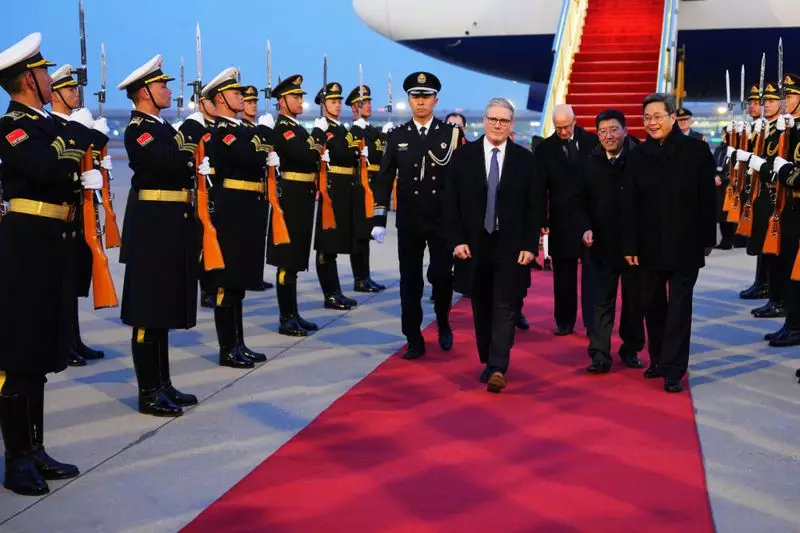
UK Prime Minister Keir Starmer Arrives in China Amid Western Alliance Strains
British Prime Minister Keir Starmer has embarked on a significant diplomatic mission to China, arriving in the country as part of a high-profile visit that underscores the complex dynamics currently affecting Western alliances. This trip occurs against a backdrop of increasing geopolitical tensions and shifting global power structures, which have placed considerable strain on traditional partnerships among Western nations.
Context of the Visit and Its Strategic Importance
The arrival of Keir Starmer in China marks a pivotal moment in UK foreign policy, particularly as Western alliances, including those with the United States and European Union, face challenges over issues such as trade, security, and human rights. Starmer's visit is seen as an effort to engage directly with Chinese leadership, aiming to navigate the delicate balance between cooperation and competition in international affairs.
This diplomatic outreach comes at a time when many Western countries are reassessing their relationships with China, driven by concerns over economic dependencies and strategic rivalries. The strain within Western alliances has been exacerbated by divergent approaches to handling China's global influence, making Starmer's trip a closely watched event on the world stage.

Implications for Global Diplomacy and UK-China Relations
Starmer's visit to China is expected to address key areas of mutual interest, including:
- Trade and Economic Cooperation: Discussions are likely to focus on enhancing bilateral trade agreements and investment opportunities, despite ongoing tensions over market access and fair competition.
- Security and Regional Stability: The talks may cover issues related to regional security in Asia and beyond, as Western alliances seek to manage conflicts and promote stability.
- Climate Change and Global Challenges: Collaboration on environmental initiatives and other transnational issues could be a focal point, highlighting shared responsibilities in addressing global crises.
As Western alliances experience strain, Starmer's engagement with China reflects a broader trend of nations pursuing independent diplomatic paths to safeguard their national interests. This visit could signal a shift in how the UK positions itself within the international community, balancing its traditional alliances with emerging geopolitical realities.
Broader Impact on International Relations
The strain on Western alliances, as evidenced by Starmer's China visit, points to a period of recalibration in global diplomacy. Factors contributing to this include:
- Economic Pressures: Trade disputes and economic competition have led to fissures within Western blocs, prompting countries like the UK to explore alternative partnerships.
- Political Divergences: Differing political ideologies and policy priorities among Western nations have complicated unified approaches to international issues.
- Geopolitical Shifts: The rise of new global powers and changing alliances are reshaping the international order, forcing traditional partners to adapt their strategies.
In conclusion, Keir Starmer's arrival in China serves as a clear indicator of the ongoing strains within Western alliances and the evolving nature of global diplomacy. This visit not only highlights the UK's proactive stance in engaging with key international players but also underscores the challenges and opportunities that lie ahead as nations navigate a complex and interconnected world.






