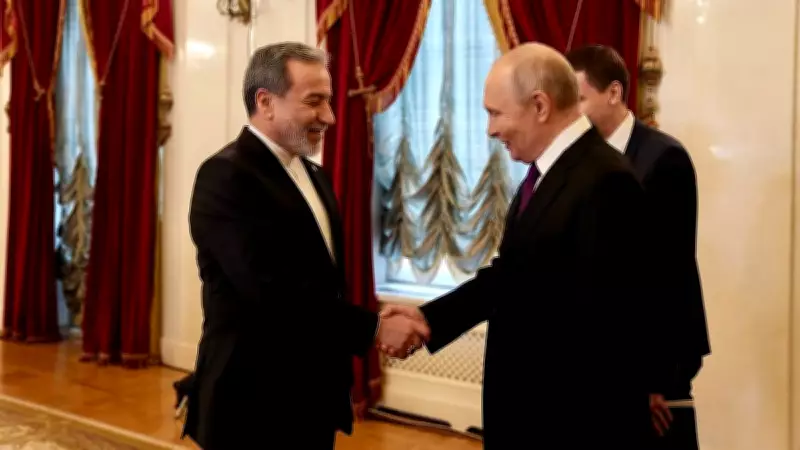
The dynamics of the strife in the Strait of Hormuz are no longer confined to cascading oil prices; it is stealthily approaching international finances. Russia's embrace strengthens Iran, altering the geopolitical landscape and challenging Western influence.
Strategic Alliance Deepens
Russia and Iran have forged a closer partnership, with Moscow providing diplomatic and military backing to Tehran. This alliance has emboldened Iran in its standoff with the United States and its allies over the strategic waterway.
Impact on Global Economy
The tensions in the Strait of Hormuz, a critical chokepoint for global oil shipments, have historically driven up energy prices. However, the current crisis extends beyond energy markets, seeping into the international financial system. Sanctions and countermeasures are disrupting trade flows and investment, creating uncertainty for global banks and corporations.

Russia's support for Iran includes financial mechanisms to bypass Western sanctions, such as alternative payment systems and increased bilateral trade in local currencies. This reduces reliance on the dollar and challenges the dominance of Western financial institutions.
Regional Ramifications
The strengthening of Russia-Iran ties has implications for the Middle East. It bolsters Iran's position in proxy conflicts and undermines US-led efforts to isolate Tehran. Gulf states are reassessing their security arrangements, potentially seeking closer ties with Moscow or Beijing.
Analysts warn that the situation could escalate if diplomatic efforts fail. The Strait of Hormuz remains a flashpoint, and any military confrontation would have catastrophic effects on global oil supplies and financial stability.
Conclusion
Russia's embrace of Iran marks a shift in global power dynamics. As the crisis in the Strait of Hormuz evolves, the world must prepare for broader economic repercussions that go beyond oil prices.