Russia Withholds Details on Crude Oil Exports to India Citing Security Concerns
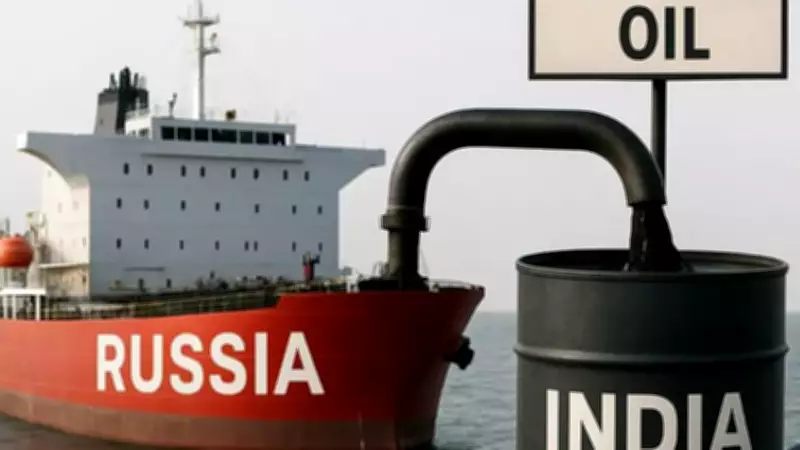
Russia announced on Friday that it will not disclose specific details regarding its crude oil exports to India, pointing to security and geopolitical concerns as the primary reasons. This decision comes at a time of heightened tensions in global energy markets, particularly due to the ongoing conflict in West Asia.
Kremlin's Official Statement on Confidentiality
Kremlin spokesman Dmitry Peskov explicitly stated that Moscow intends to keep the figures confidential and will refrain from releasing any quantitative information about oil shipments to India. "No, of course, we're not going to provide any quantitative data for obvious reasons. That's the first thing. There are too many ill-wishers," Peskov emphasized during his remarks.
His comments were made in response to questions about Indian media reports that suggested Russia could deliver approximately 22 million barrels of crude oil to India within a single week. These reports have sparked significant interest amid the volatile energy landscape.

Context of US Waiver and Global Energy Disruptions
Peskov's announcement followed closely on the heels of a statement by US Treasury Secretary Scott Bessent, who revealed that Washington had issued a temporary 30-day waiver. This waiver permits Indian refiners to purchase Russian oil, a move designed to mitigate disruptions caused by the escalating West Asia conflict.
The geopolitical situation has been further complicated by recent events, including:
- Israeli airstrikes targeting Iranian military infrastructure.
- Iran's retaliatory actions effectively closing oil transit through the strategic Strait of Hormuz.
- Disruptions to energy supplies affecting major importers like India and China.
Visual Evidence and Russian Commitments
Earlier on Thursday, Russian state television broadcasted a map displaying multiple oil tankers moving from the Arabian Sea towards the Bay of Bengal. These vessels appeared to be heading toward refineries located on India's eastern coast, providing visual corroboration of the ongoing shipments.
In a related development, Russian Deputy Prime Minister Alexander Novak affirmed Moscow's readiness to increase crude supplies to both India and China. "We are prepared to boost deliveries to meet the energy needs of these nations," Novak stated, highlighting the critical role Russia plays as a supplier amid global supply chain interruptions.
Broader Implications for Energy Markets
The refusal to disclose export details underscores the delicate balance between energy diplomacy and national security. As tensions persist, the confidentiality maintained by Russia could influence:
- Market speculation and pricing dynamics for crude oil.
- Strategic partnerships between energy-exporting and importing nations.
- Global efforts to stabilize supply chains disrupted by geopolitical conflicts.
This situation places India in a pivotal position, navigating between its energy requirements and the complex web of international relations. The coming weeks will likely see continued scrutiny of these shipments as stakeholders monitor the evolving landscape of global energy security.