Russia Rejects US Assertions on India's Oil Purchases
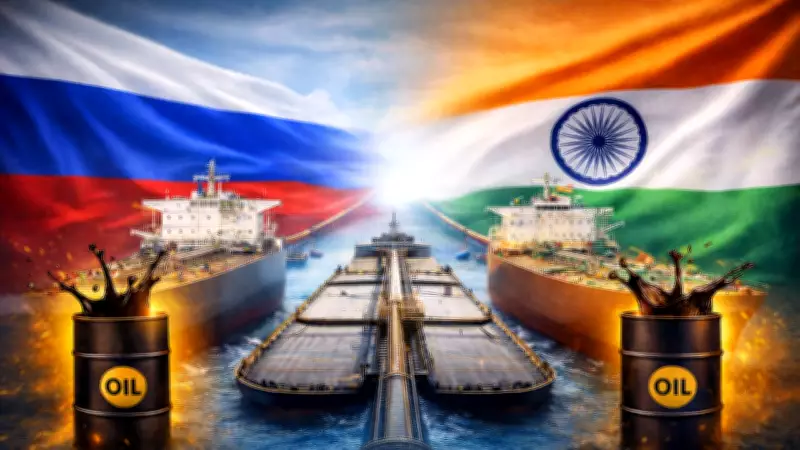
In a strong rebuttal on Wednesday, Russia's foreign ministry categorically stated that it has "no reason to believe" India has altered its position on purchasing Russian oil, directly contradicting recent claims from the United States. The ministry underscored that the bilateral oil trade is mutually beneficial and plays a crucial role in sustaining stability within the global energy market.
Zakharova Criticizes US Leadership and Pressure Tactics
During her weekly briefing, Russian Foreign Ministry spokesperson Maria Zakharova dismissed statements by US President Donald Trump and Secretary of State Marco Rubio, who alleged that India had committed to halting Russian oil imports. "There is nothing new in the claims of US President Donald Trump, as well as US Secretary of State Marco Rubio, who have grabbed the right to dictate to independent nations," Zakharova remarked, highlighting Russia's view of US overreach.
She further accused the US of employing various coercive measures, including tariffs, sanctions, and direct prohibitions, to dissuade India and other countries from engaging in oil trade with Russia. This issue gained prominence following a recent US decision to reduce tariffs on Indian goods from 50 per cent to 18 per cent, which included the removal of a 25 per cent tariff imposed last August due to India's Russian oil purchases.

India's Silence and Shifting Import Patterns
India has maintained a conspicuous silence regarding the US claims, neither confirming nor denying the alleged commitment. The Ministry of External Affairs has previously asserted that "national interests" will guide its energy procurement decisions, reflecting a policy of strategic autonomy.
Meanwhile, data indicates a significant shift in India's crude sourcing. Russian oil imports have reportedly fallen to their lowest levels in over two years, with shipments accounting for just 21.2 per cent of total imports in January—down sharply from previous months and about one-third lower year-on-year. This decline comes as Russia had become India's top supplier after 2022, with shares once nearing 40 per cent, driven by discounted crude.
Market Adjustments and Future Outlook
In response to these changes, Indian refiners have increased purchases from other regions. Middle Eastern crude rose to approximately 55 per cent of imports in January, while Latin American supplies reached a 12-month high. Saudi Arabia has reclaimed its position as India's leading supplier, with February volumes tracking at record levels. Concurrently, China has overtaken India as Russia's largest seaborne crude buyer.
Analysts anticipate that Russian oil flows to India may continue to decline in the coming months, though they are not expected to cease entirely. This trend aligns with India's ongoing emphasis on strategic autonomy in energy procurement, even as Western sanctions and enhanced US trade engagement exert pressure on purchasing decisions.
Broader Geopolitical Context
In her briefing, Zakharova also criticized Ukraine's European allies, suggesting they lack interest in pursuing peaceful resolutions to ongoing conflicts. This comment adds a layer of geopolitical tension to the discussion, underscoring the complex interplay between energy trade and international relations.
The evolving dynamics highlight the delicate balance India maintains in navigating global energy markets while upholding its national interests amidst external pressures from major powers like the US and Russia.