

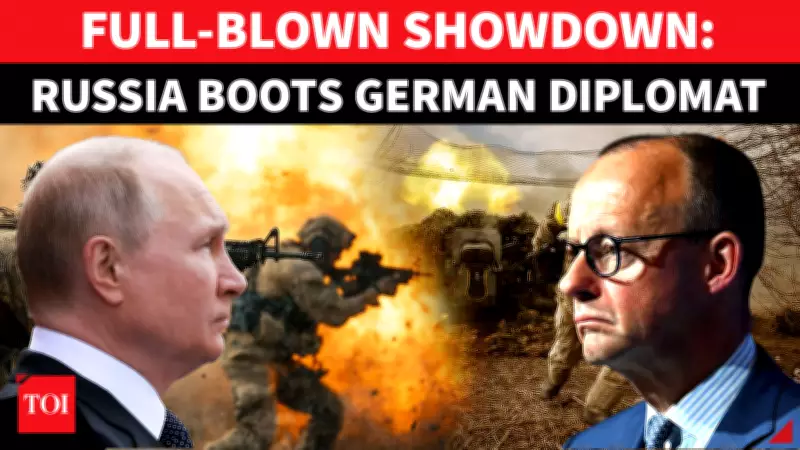
Russia and Germany Locked in Fresh Diplomatic Standoff
Russia and Germany are embroiled in a new diplomatic confrontation after Moscow expelled a German diplomat, labeling it a "symmetrical response" to Berlin's earlier expulsion of a Russian official over espionage allegations. This tit-for-tat move has intensified tensions between the two nations, with Germany condemning Russia's action as unacceptable and warning of potential further measures. In contrast, Russia has dismissed the accusations as baseless, accusing Berlin of fueling what it calls "spy mania."
Escalating Rhetoric and Accusations
Russian Foreign Minister Sergey Lavrov has launched sharp criticism against German Chancellor Friedrich Merz, alleging that Berlin is preparing for war and mocking European leaders for what he describes as inconsistent and fear-driven rhetoric. Lavrov's comments highlight the deepening rift, as expulsions, sanctions, and harsh words continue to escalate. The dispute underscores a broader European divide, with countries like France and Italy advocating for renewed dialogue with Moscow, while Germany reinforces sanctions and pressure tactics.
Broader European Implications
This diplomatic clash unfolds against a backdrop of a fractured European approach to Russia. Key points include:

- Divergent Strategies: France and Italy support diplomatic engagement, whereas Germany pushes for stricter sanctions.
- Security Concerns: The espionage allegations and expulsions raise questions about intelligence activities and national security.
- Political Fallout: The standoff could impact EU unity and foreign policy coordination regarding Russia.
As tensions mount, Europe's stance on Russia appears more fragmented than ever, with potential implications for regional stability and international relations. The situation remains fluid, with both sides poised for further actions depending on diplomatic developments.






