Russia Declares International Law 'Effectively Dead' in Global Statement
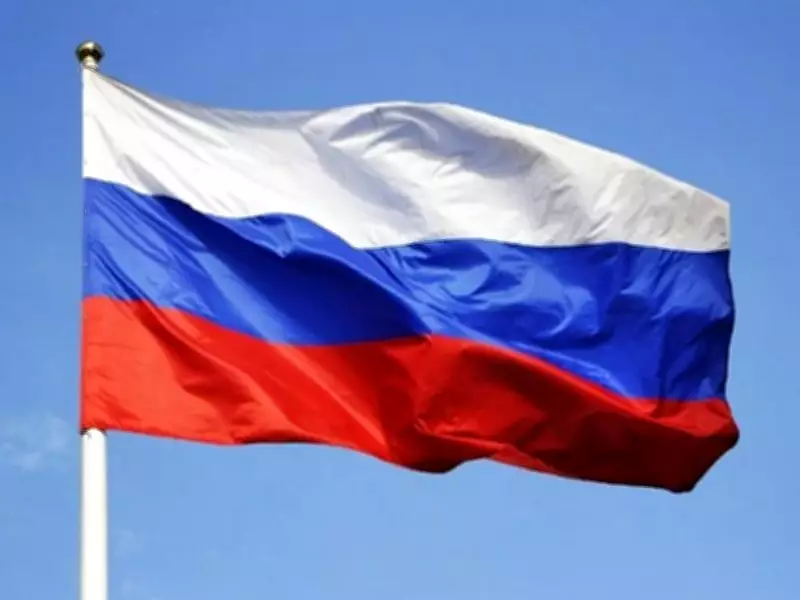
In a stark declaration that has sent shockwaves through diplomatic circles, Russia has proclaimed that international law is "effectively dead." This statement, made by Russian officials, underscores a profound crisis in global governance, with Moscow pointing to recent Western actions in conflicts such as Ukraine and Gaza as primary catalysts for this breakdown.
Context and Rationale Behind the Declaration
The Russian government has articulated that the principles underpinning international law have been systematically eroded by what it describes as "selective application" and "double standards" by Western nations. Specifically, Russia cites the ongoing conflict in Ukraine, where it accuses Western countries of violating international norms through military support and sanctions, and the situation in Gaza, where it alleges similar inconsistencies in the enforcement of humanitarian laws.
This declaration is not merely rhetorical; it reflects a broader geopolitical strategy aimed at challenging the current world order. By declaring international law dead, Russia seeks to delegitimize Western-led institutions and promote an alternative framework based on multipolarity, where power is more evenly distributed among nations rather than concentrated in Western hands.

Implications for Global Diplomacy and Security
The ramifications of this statement are far-reaching. If international law is perceived as defunct, it could lead to:
- Increased unilateral actions: Nations may feel emboldened to pursue their interests without regard for established legal frameworks, potentially escalating conflicts.
- Erosion of trust: Diplomatic negotiations and treaties could become more contentious, as the foundational rules that govern state behavior are called into question.
- Humanitarian concerns: In conflicts like Gaza, the weakening of international law might hinder efforts to protect civilians and enforce accountability for violations.
Experts warn that this development could signal a return to a more anarchic international system, where might makes right, and smaller states are left vulnerable to the whims of more powerful actors.
Historical and Legal Perspectives
International law, rooted in treaties, customs, and principles such as sovereignty and human rights, has long been a cornerstone of global stability. However, its effectiveness has often been challenged by geopolitical rivalries. Russia's declaration echoes historical moments where major powers have flouted legal norms, but it marks a significant escalation in openly rejecting the system altogether.
Legal scholars note that while international law has faced crises before—such as during the Cold War—its current state is particularly precarious due to the polarization between Western blocs and nations like Russia and China. This polarization makes consensus on legal issues increasingly difficult, undermining the collaborative spirit necessary for international law to function.
Future Outlook and Potential Responses
Looking ahead, the international community faces a critical juncture. Responses to Russia's declaration could include:
- Reinforcement of legal institutions: Efforts to strengthen bodies like the International Court of Justice and United Nations to restore credibility.
- Diplomatic initiatives: Engaging in dialogue to address Russia's grievances and find common ground on legal principles.
- Counter-narratives: Western nations may emphasize their commitment to international law through actions and public statements, aiming to isolate Russia's position.
Ultimately, the survival of international law may depend on whether major powers can bridge their divides and reaffirm a shared commitment to a rules-based order. Without such efforts, the world risks descending into a more chaotic and conflict-prone era, where legal norms are merely tools of power rather than guardians of peace.