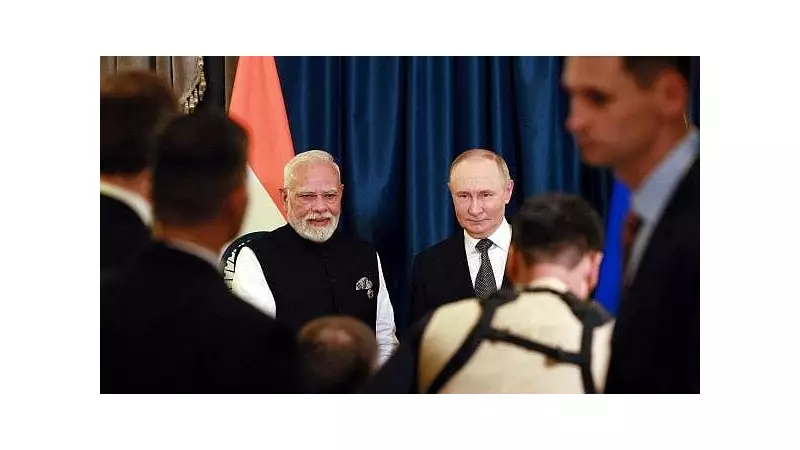
Russian President Vladimir Putin is set to embark on a crucial visit to India, marking a significant moment in the long-standing strategic partnership between the two nations. The visit, confirmed by the Kremlin, will feature in-depth summit talks with Indian Prime Minister Narendra Modi. The leaders are expected to tackle a broad agenda, with a sharp focus on enhancing economic ties, addressing the ongoing delivery of the S-400 air defence systems, and discussing the geopolitical ramifications of the war in Ukraine.
Agenda for the Modi-Putin Summit
The upcoming summit between Prime Minister Modi and President Putin is poised to address several critical bilateral and global issues. A primary objective will be to identify new pathways to increase the volume of bilateral trade, which has seen remarkable growth but faces challenges due to international payment mechanisms and logistics. Both sides are keen to sustain this momentum and explore untapped sectors.
Another pivotal point on the agenda is the status of the S-400 Triumf air defence missile systems. India and Russia signed this $5.43 billion deal in 2018, and deliveries have been ongoing despite the threat of US sanctions under the CAATSA law. The summit will likely review the progress of deliveries and the integration of these systems into India's defence architecture.

Furthermore, the ongoing conflict in Ukraine will be a central topic of discussion. India has maintained a balanced position, calling for dialogue and diplomacy while increasing its imports of Russian oil. The talks will provide an opportunity for both leaders to align their perspectives on the evolving security situation in Europe and its global consequences.
Navigating Economic Ties and Global Pressure
The economic relationship between India and Russia has transformed dramatically since the onset of the Ukraine war. Bilateral trade surged to a record $65.7 billion in the 2023-24 financial year, a figure driven overwhelmingly by Indian imports of Russian crude oil. This has made Russia India's top oil supplier, displacing traditional partners like Iraq and Saudi Arabia.
However, this boom has created a substantial trade imbalance in Russia's favour, with Indian exports lagging. The summit will aim to address this disparity by:
- Promoting greater Indian exports to Russia in sectors like pharmaceuticals, machinery, and agricultural products.
- Finding sustainable solutions to payment settlement issues, as traditional channels have been disrupted by Western sanctions.
- Exploring investments and joint ventures in each other's economies to create a more balanced partnership.
India's stance has been one of pragmatic engagement, prioritizing its energy security and national interest while advocating for peace. The Modi-Putin meeting underscores India's commitment to an independent foreign policy, often termed 'strategic autonomy,' in a complex global landscape.
Strategic Implications and the Road Ahead
President Putin's visit carries substantial symbolic and strategic weight. It reaffirms the resilience of the India-Russia strategic partnership, which has endured for decades through changing global orders. The personal rapport between Modi and Putin is seen as a key driver in navigating the current complexities.
The outcomes of this summit will be closely watched by global powers. For the United States and its allies, it will be a test of India's balancing act between its historical ties with Russia and its growing strategic convergence with the West through groupings like the Quad. For China, it will signal the depth of the Moscow-New Delhi axis in a multipolar world.
Ultimately, the dialogue is expected to yield joint statements and possibly new agreements aimed at future-proofing the bilateral relationship. The focus will be on creating frameworks that allow cooperation to thrive despite external geopolitical pressures, ensuring that the partnership continues to serve the core interests of both nations in trade, defence, and global diplomacy.