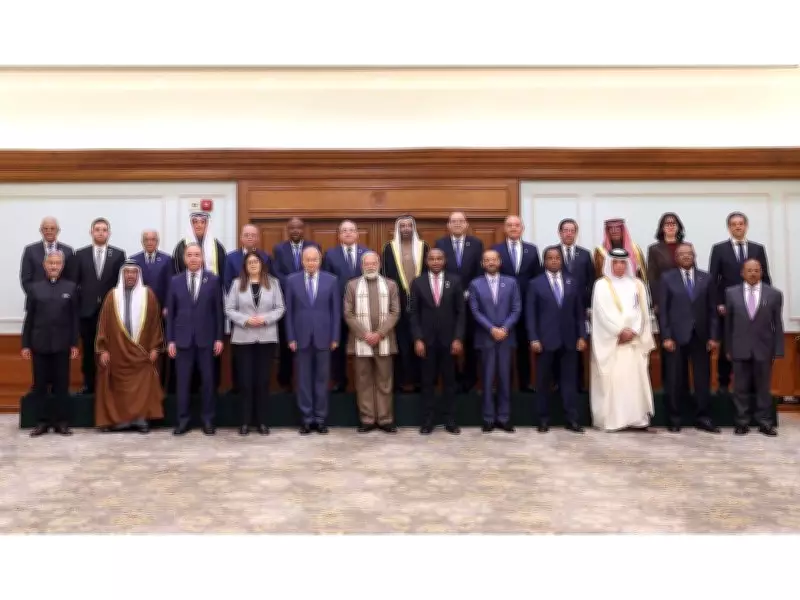
PM Modi Engages in High-Level Talks with Arab League Foreign Ministers in New Delhi
Prime Minister Narendra Modi held a significant meeting with foreign ministers and high-level delegations representing the Arab League in New Delhi, marking a pivotal moment in India's diplomatic outreach to the West Asian and North African region. The discussions centered on enhancing bilateral cooperation across multiple sectors, including trade, energy security, and cultural exchanges.
Strengthening Strategic Partnerships Across West Asia and North Africa
The meeting underscored India's commitment to deepening its ties with the 22-member Arab League, which includes nations such as Saudi Arabia, Egypt, the United Arab Emirates, and Qatar. Prime Minister Modi emphasized the historical and civilizational links between India and the Arab world, highlighting the potential for expanded collaboration in areas like technology, infrastructure development, and counter-terrorism efforts.
This engagement is part of India's broader foreign policy strategy to bolster its presence in key global regions, ensuring mutual economic growth and regional stability. The Arab League delegations expressed keen interest in India's growing economy and its role as a major global player, particularly in sectors like renewable energy and digital innovation.
Key Focus Areas and Mutual Interests Discussed
During the talks, several critical topics were addressed, reflecting the shared priorities of India and the Arab League nations:
- Economic Cooperation: Enhancing trade volumes and investment flows, with a focus on sectors such as pharmaceuticals, information technology, and agriculture.
- Energy Security: Collaborating on oil and gas projects, while also exploring partnerships in solar and wind energy to support sustainable development goals.
- Cultural and People-to-People Ties: Promoting tourism, educational exchanges, and cultural programs to strengthen the longstanding bonds between the regions.
- Regional Security: Addressing common challenges, including maritime security in the Indian Ocean and efforts to combat extremism and terrorism.
The meeting also touched upon India's role in multilateral forums, with both sides agreeing to coordinate on global issues such as climate change and United Nations reforms. This dialogue is expected to pave the way for more frequent high-level interactions and joint initiatives, reinforcing India's position as a reliable partner in the Arab world.
Implications for India's Foreign Policy and Regional Dynamics
This engagement with the Arab League foreign ministers aligns with India's 'Act East' and 'Neighbourhood First' policies, extending its diplomatic reach to include strategic partners in West Asia and North Africa. The discussions are likely to result in concrete outcomes, such as memorandums of understanding and joint working groups, aimed at translating the dialogue into actionable projects.
As India continues to navigate complex global geopolitics, strengthening ties with the Arab League not only boosts economic prospects but also enhances its influence in regional affairs. The meeting in New Delhi serves as a testament to the growing importance of India-Arab relations in shaping a more interconnected and prosperous world.