PM Modi Extends Warm Eid Greetings to Malaysian Prime Minister Anwar Ibrahim
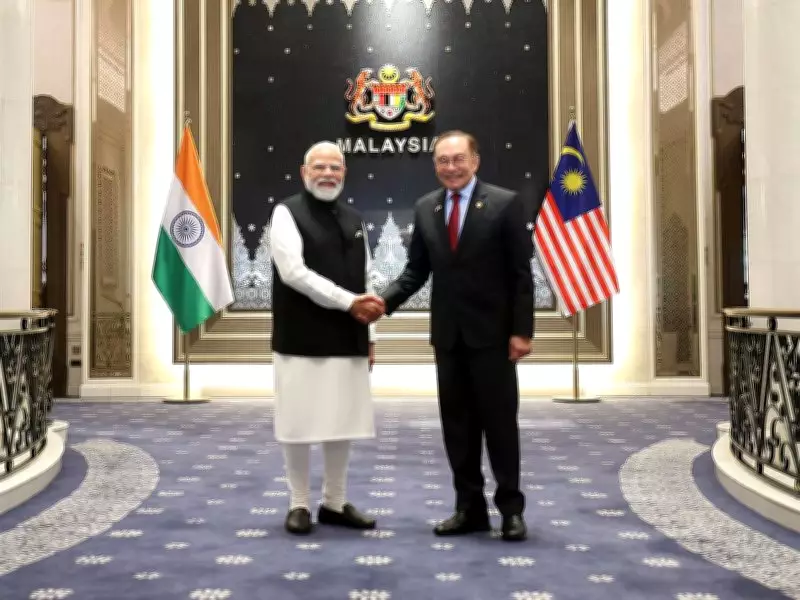
Prime Minister Narendra Modi engaged in a cordial conversation with his Malaysian counterpart, Anwar Ibrahim, on Thursday, conveying heartfelt greetings for the upcoming festival of Eid al-Fitr, known locally as Hari Raya Aidilfitri. The exchange, shared via a post on social media platform X, highlighted the strong personal rapport between the two leaders, with PM Modi referring to Anwar Ibrahim as a friend.
Shared Commitment to De-escalation in West Asia
Beyond the festive wishes, the discussion delved into the deeply concerning situation unfolding in West Asia. Both prime ministers reaffirmed their shared commitment to de-escalation and the early restoration of peace and stability in the region. They emphasized the critical importance of dialogue and diplomacy as the primary tools to achieve these goals, underscoring a mutual approach to international conflicts.
Parallel Diplomatic Outreach to Oman
Earlier on the same day, Prime Minister Modi held a productive conversation with Sultan Haitham bin Tariq Al Said of Oman. During this exchange, he conveyed advance Eid greetings to the Sultan and the people of Oman, while also reaffirming India's robust ties with the Gulf nation. The leaders agreed on the necessity of prioritizing dialogue and diplomacy to de-escalate tensions and subsequently restore peace and stability in the region.

PM Modi reiterated India's condemnation of any violations of Oman's sovereignty and territorial integrity. He expressed appreciation for Oman's efforts in facilitating the safe return of thousands of individuals, including Indian nationals, amid the ongoing regional tensions. Additionally, both nations underscored their shared commitment to ensuring secure maritime routes, particularly through the strategically vital Strait of Hormuz, which is crucial for global energy markets and economic stability.
Context of Escalating Regional Tensions
These diplomatic engagements occur against a backdrop of escalating tensions in West Asia. The conflict intensified on February 28 following joint military strikes by the United States and Israel that resulted in the death of Iran's 86-year-old Supreme Leader, Ayatollah Ali Khamenei. In retaliation, Iran targeted Israeli and U.S. assets in several Gulf countries and Israel, causing significant disruption in the vital waterways and impacting international energy markets and global economic stability. India's proactive diplomatic outreach reflects its ongoing efforts to advocate for peaceful resolutions and maintain stability in the region through constructive dialogue.