

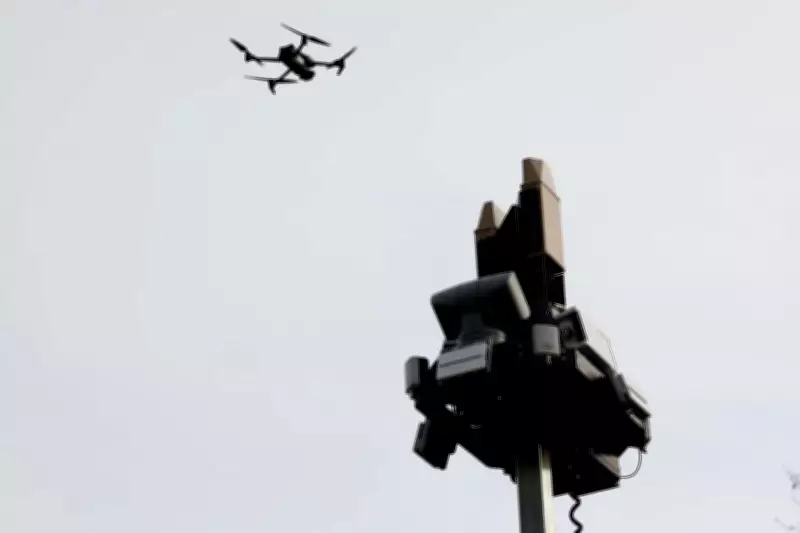
Pakistani Drones Detected in North Kashmir, Indian Army Responds with Warning Fire
In a significant security development, Pakistani drones were spotted flying in the North Kashmir region, leading to a swift response from the Indian Army. The incident, which occurred recently, has raised concerns about border tensions and the use of unmanned aerial vehicles in sensitive areas.
Details of the Drone Sighting and Army Response
According to reports, the drones were detected entering Indian airspace in North Kashmir, a region known for its strategic importance and ongoing security challenges. The Indian Army, upon identifying the unauthorized aerial activity, retaliated with warning fire to deter the drones and prevent any potential threats. This action underscores the military's vigilance and readiness to counter such intrusions.
The use of drones by Pakistan in this context is not entirely new, but this incident highlights the evolving nature of border skirmishes and the increasing reliance on technology in such confrontations. The Indian Army's response was measured, focusing on de-escalation while sending a clear message about the sanctity of India's borders.

Implications for Border Security and Regional Stability
This event has several implications for security in Jammu and Kashmir and broader Indo-Pak relations:
- Enhanced Surveillance: The detection of drones underscores the need for continuous monitoring and advanced surveillance systems along the border to prevent unauthorized entries.
- Diplomatic Tensions: Such incidents can strain diplomatic efforts between India and Pakistan, potentially impacting peace talks and confidence-building measures.
- Military Preparedness: It highlights the Indian Army's preparedness to handle asymmetric threats, including drone incursions, with prompt and appropriate responses.
Experts suggest that drone sightings in Kashmir are part of a broader pattern of provocations, often aimed at testing India's defenses or gathering intelligence. The warning fire by the Indian Army serves as a deterrent, but it also raises questions about the long-term strategies needed to secure the region against such technological threats.
Context of Ongoing Border Challenges in Kashmir
Kashmir has been a flashpoint for tensions between India and Pakistan for decades, with frequent incidents of cross-border firing, infiltration attempts, and now, drone activities. The region's rugged terrain and political complexities make it a challenging area for security operations.
In recent years, drone technology has added a new dimension to these challenges, as both state and non-state actors leverage UAVs for various purposes, from surveillance to smuggling. The Indian government has been investing in counter-drone systems and border infrastructure to address these emerging threats.
This incident in North Kashmir is a reminder of the persistent security issues in the area and the importance of maintaining a robust defense posture. It also calls for greater international attention to the use of drones in conflict zones and the need for norms to regulate such activities.
As the situation evolves, stakeholders will be watching closely to see how this event influences future interactions along the Line of Control and whether it leads to any diplomatic or military escalations.






